The Top 4 Smart Technologies That Quickly Improve Hotel Guest Experiences

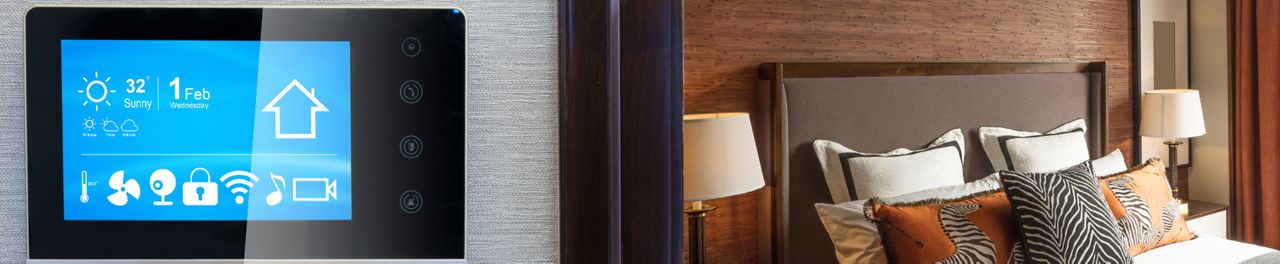
With technological innovations rapidly growing year after year, the technology that smart hotels and resorts use will develop significantly in 2022, forming and influencing a new hotel guest experience throughout hospitality design.
What will the future of hotel rooms be? Here's a sneak peak into the top 4 innovations that will improve hotel guest experiences in 2022.
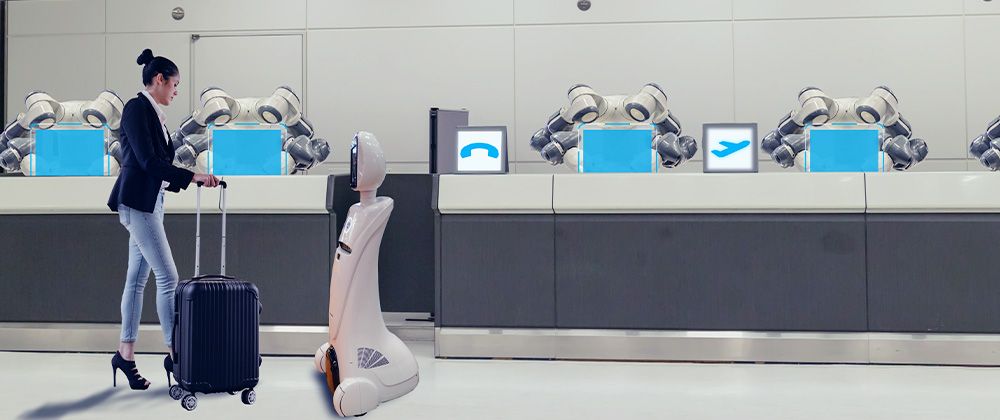
What is a Smart Hotel?
Acronyms for “Self-monitoring analysis and reporting technology”, smart hotels have come into play since hoteliers embrace the benefits of technological advancement in recent decades. These hotels designate a whole raft of quality services to customers, including digitalized guest communication and immediate access to cutting-edge technology within hotel rooms, taking a lead in the technology trends in the hotel industry.
Smart Technologies for Hotel Guest Experiences
Not only does the use of technology improve customer experience, it also enhances operational efficiency of the smart hotels and increases customer retention to a large extent. Taking into account the benefits and ramp-up of interest in investing in hotel technology over the years, the hotel industry renders hospitality services with the following world-leading innovations to guests.
Smart Hotel Technology #1 Hotel Apps
More hotels are turning to digital solutions to optimize customer communication. The use of mobile apps has become ubiquitous, resulting in the rise of hotel apps - in which guests are able to manage their booking, make virtual payments, take a virtual view of hotel rooms, check in and check out of hotel rooms, as well as contact hotel staff via chat with their mobile phones or tablets. The automation of hotel formalities in turn eliminates waiting time of tech-savvy guests, promoting enriching customer experience.
Smart Hotel Technology #2 Guest Room Technologies
To maintain streamlined and 24/7 service provision, smart hotels are fully equipped with futuristic guest room technologies for convenience and seamless communication between guests and hotels. Home technology, such as streaming services, voice activation, guest-room tablets and food ordering system, fulfills guests’ requests with only one tap away.
W Singapore, a top-notch hotel in Sentosa Island, harnesses the latest technology trends in the hotel industry to offer customized services[1]. In certain amenities, guests are granted access to the lighting and music, underwater speakers, Smart TV with Bose sound system, minimal designed public areas, and LED panel lighting installations.
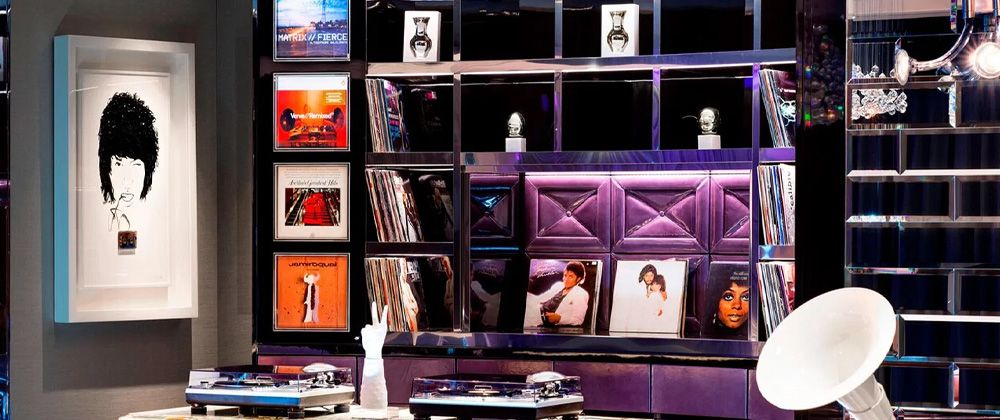
Image of W Singapore - Sentosa Cove at Hotelier Academy via www.hotelieracademy.org/
Smart Hotel Technology #3 Energy-saving Tech
Hoteliers are catching up on the prevalence of sustainability by integrating energy-efficient technology into hotel room design. Energy conservation technology in hotels, such as motion detectors or thermal sensors, water-saving systems and LED lighting, allows better energy management and personalized guest experience.
In Malaysia, GTower Hotel rolls out its green initiatives with a variety of energy-saving amenities to cater for the preference of eco-conscious customers[2]. For instance, low energy air-conditioners are used in the hotel, while the surplus energy from the units are allocated to heat up the indoor pool. To optimize the use of natural sunlight, the windows of hotel rooms and common areas are fitted with e-glass.
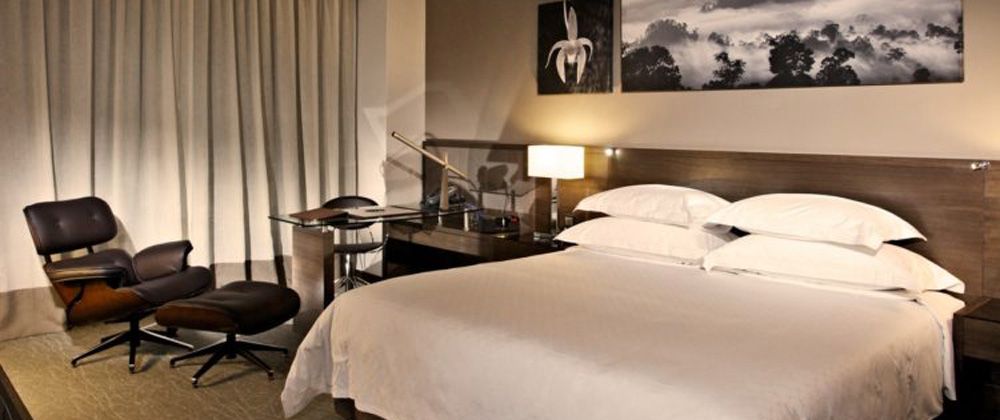
Image of GTower Hotel at Trip 101 via trip101.com
Smart Hotel Technology #4 Security
While the proliferation of technology notably uplifts the service provision of hotels, it possibly gives rise to concerns related to privacy and security. In this regard, smart hotels endeavor to eliminate guests’ concerns by strengthening their cybersecurity and hardware security. Leveraging multi-layer cyber security solutions, hoteliers ensure the integrity and security of transactions in compliance with international payment and data privacy standards.
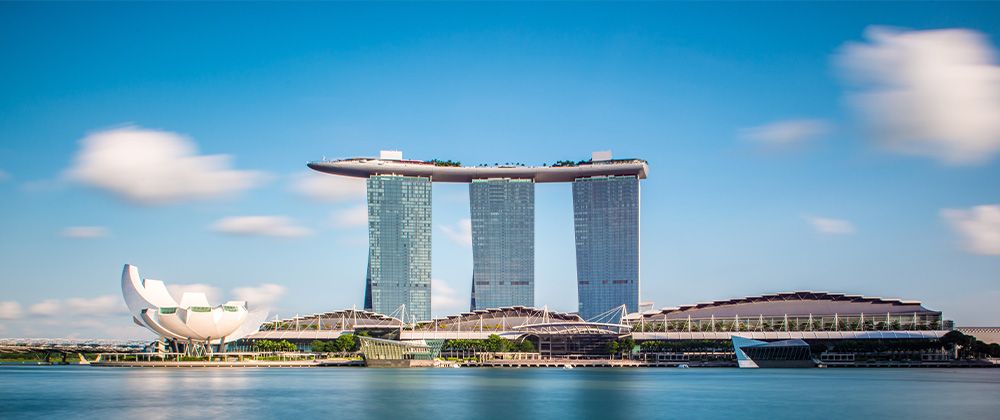
In terms of hardware security, locking technology compatible with hospitality design is an ideal choice for all-round protection. Marina Bay Sands in Singapore employs security systems, which includes in-room safes with audit trail and spring-loaded doors and Flash-RAM memory to protect guests’ valuables[3]. With top-of-the-range in-room safes, guests are able to enjoy their stay without worrying about their precious items.
Q1: What is the definition of a smart hotel?
A1: A smart hotel uses self-monitoring analysis and reporting technology in hospitality design.
Q2: What are the benefits of smart hotels?
A2: Smart hotels can improve customer service, enhance operational efficiency and increase customer retention.
References:
[1] www.hotelieracademy.org/5-smart-hotels-that-confirm-the-potentials-of-this-new-hotel-trend/
[2] https://trip101.com/article/green-hotels-in-malaysia
[3] https://www.assaabloy.com/my/en/stories/customer-cases/marina-bay-sands-singapore