Hinges - key facts and features
The entire function of a door relies on the quality and correct specification of the hinges. Here’s our guide to some of the questions you may have, when choosing the right hinges for your project
What are hinges?
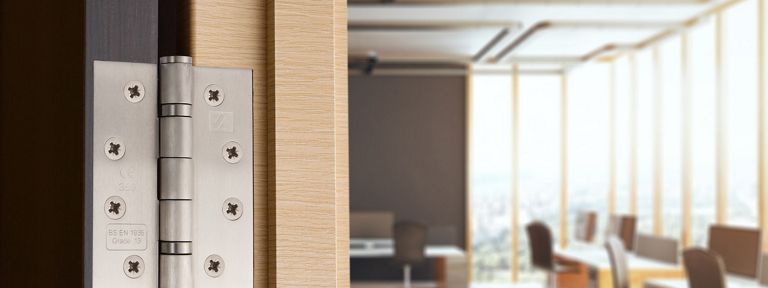
Hinges are a hardware component that connects two things together, bearing the weight from one to the other about a fixed axis of rotation allowing it to open and close easily. They are found on virtually all doors in a home, mains doors, and commercial buildings.


What type of hinges are there?
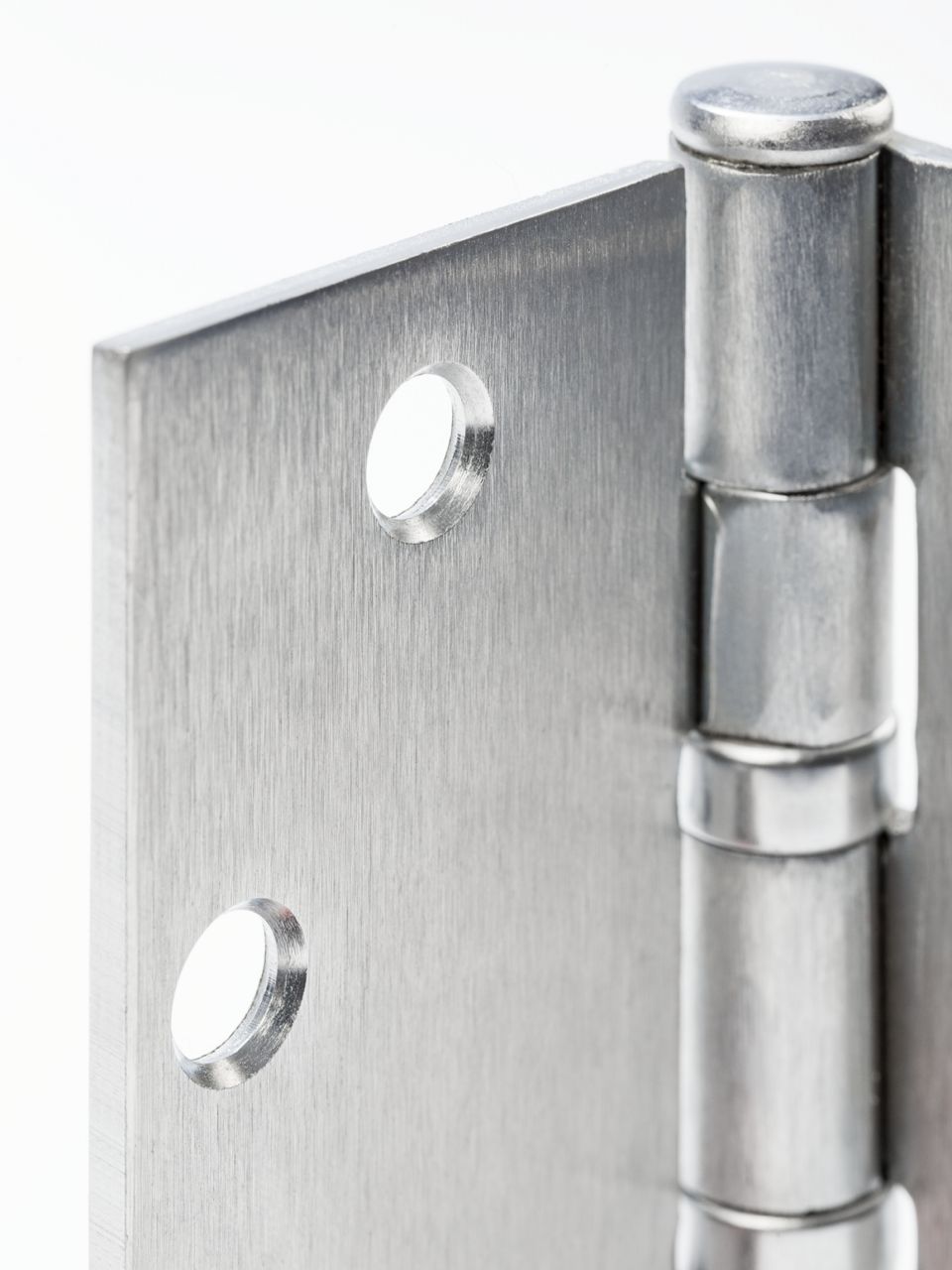
There is a large variety of hinge types and sizes available depending on the type of application required. We have a variety of hinges that can be specified for residential or commercial settings in different finishes to suit all of the door hardware to complete the overall aesthetics of a door. This includes butt hinge, ball bearing butt hinge, bushed bearing butt hinge, journal supported hinge, lift off hinge, slim knuckle hinge, security hinge and concealed hinge.
For more detailed information on their key features and application, see our Specification manual section (p. 293), dedicated to hinges.

How to select the correct hinge?
To specify the correct hinge there are a number of factors that need to be taken into consideration, such as:
- Is it a fire, smoke or emergency escape door?
- How heavy is the door and what are the door dimensions (height, weight, thickness)?
- Is the door situated internally or externally?
- What level of use and/or abuse?
- What other hardware is fitted on the door that may affect the performance?
- Special environmental considerations, such as corrosive chemicals or marine environment (base metal impact).

What are the standards and legislation for fire doors?
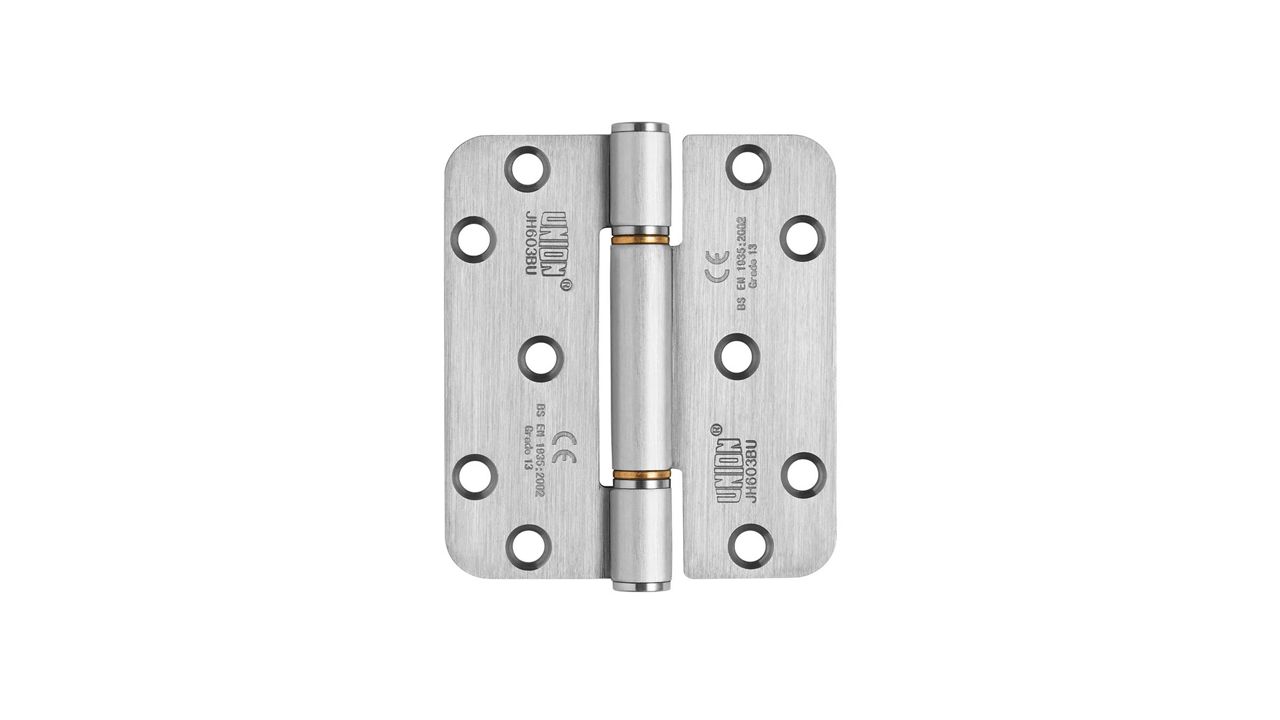
It is a legal requirement for hinges being fitted to fire doors to be UKCA / CE marked to EN 1935. EN 1935:2002 classifies single axis hinges using an 8-digit coding system. Each digit refers to a particular feature of the product measured against the standard’s performance requirements.

How many hinges are required on a fire door?
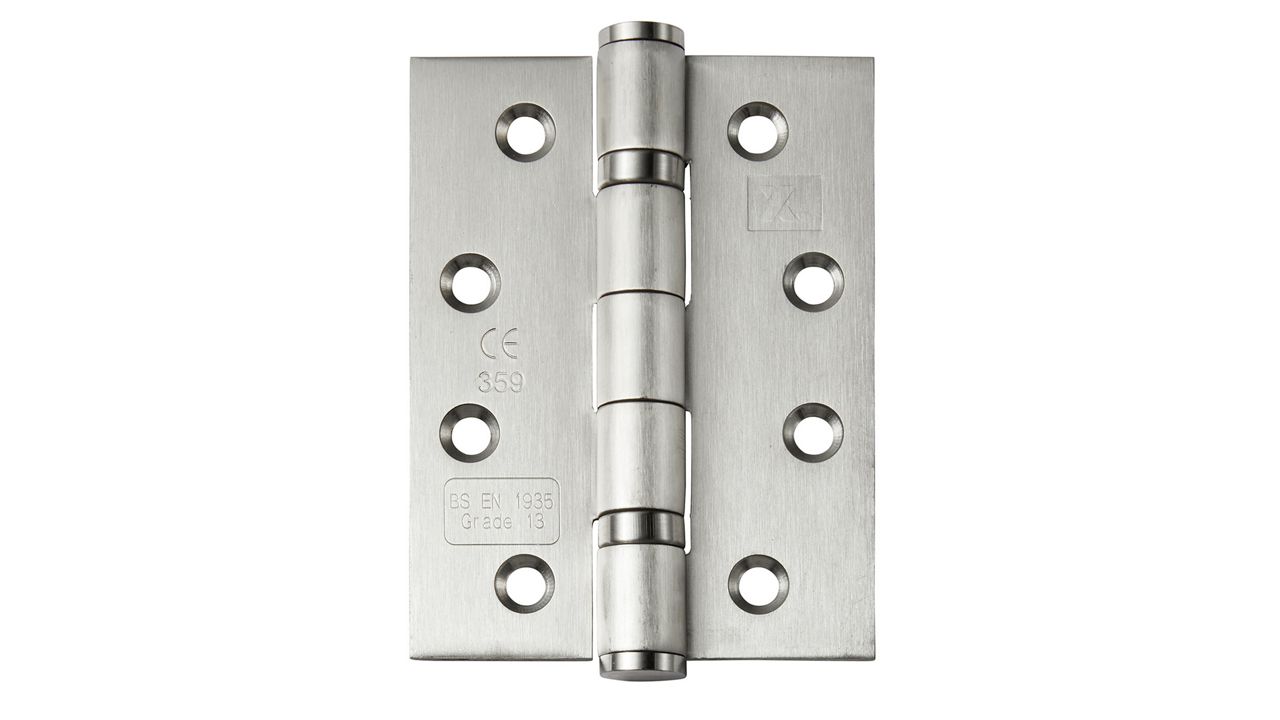
While a lot of doors don’t require more than 2 hinges, fire doors should be as closely fitted to the door frame as possible with a gap no bigger than 5mm. To achieve that, fire doors need 3 hinges to meet UK fire door standards and regulations.

Which hinge is right for my project?
Hinge selection depends on a lot of factors, such as door weight, whether it's an external or internal application and what levels of usage are expected. Here are a few steps to follow when choosing your hinges:
- Find the weight of the door - this should include any additional hardware attached to the door. Make sure to also adjust the weight based on additional weight factors, such as the door being subject to physical abuse or high wind forces
- Check door adjusted weight against door width - use the formula “2 - (height/width)%”
- Determine hinge grade requirement - this would depend on the final adjusted weight
- Hinge positioning - while the minimum recommended fitting is 3 hinges, for doors over 2100mm high and heavy doors, the recommended number is 4
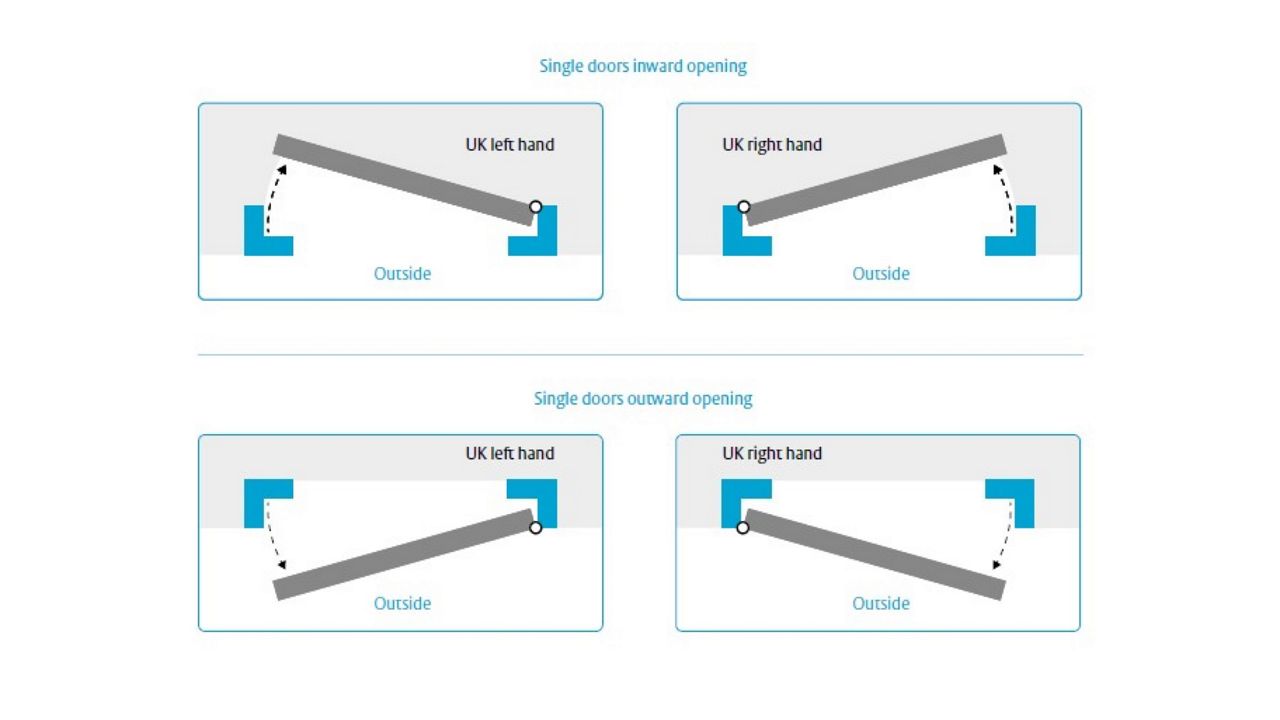
- Handing - decide which opening position is the most suitable for your application
- Fitting and lubrication

What are the best hinges for heavy duty doors?
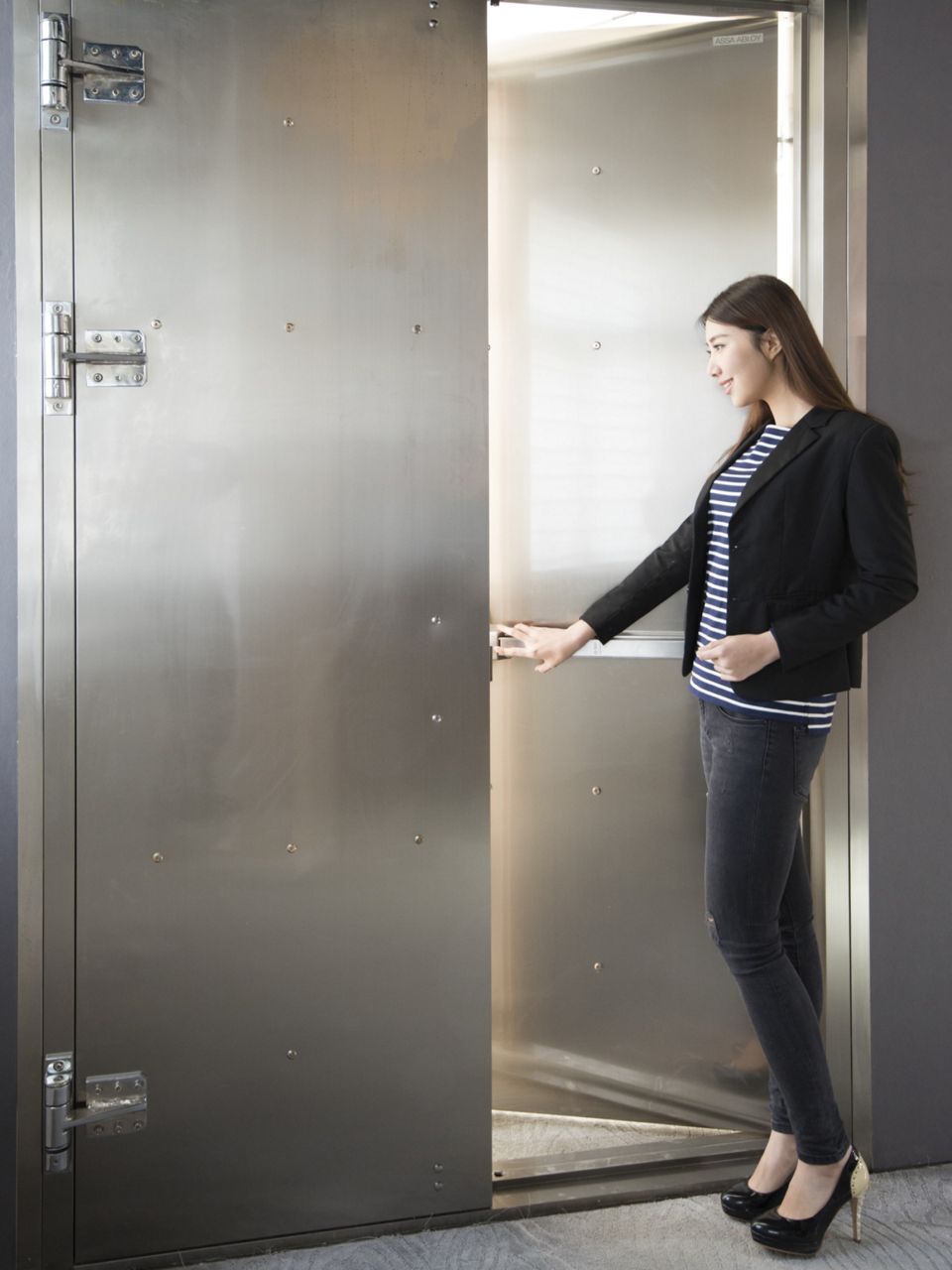
While the weight of the door determines the correct hinge to use, it’s important to include weight or fitted ironmongery to estimate the final adjusted weight. As heavy duty doors are intended for high frequency use by members of the public, we recommend hinges of grade 11.

What hinges to use for an external door?
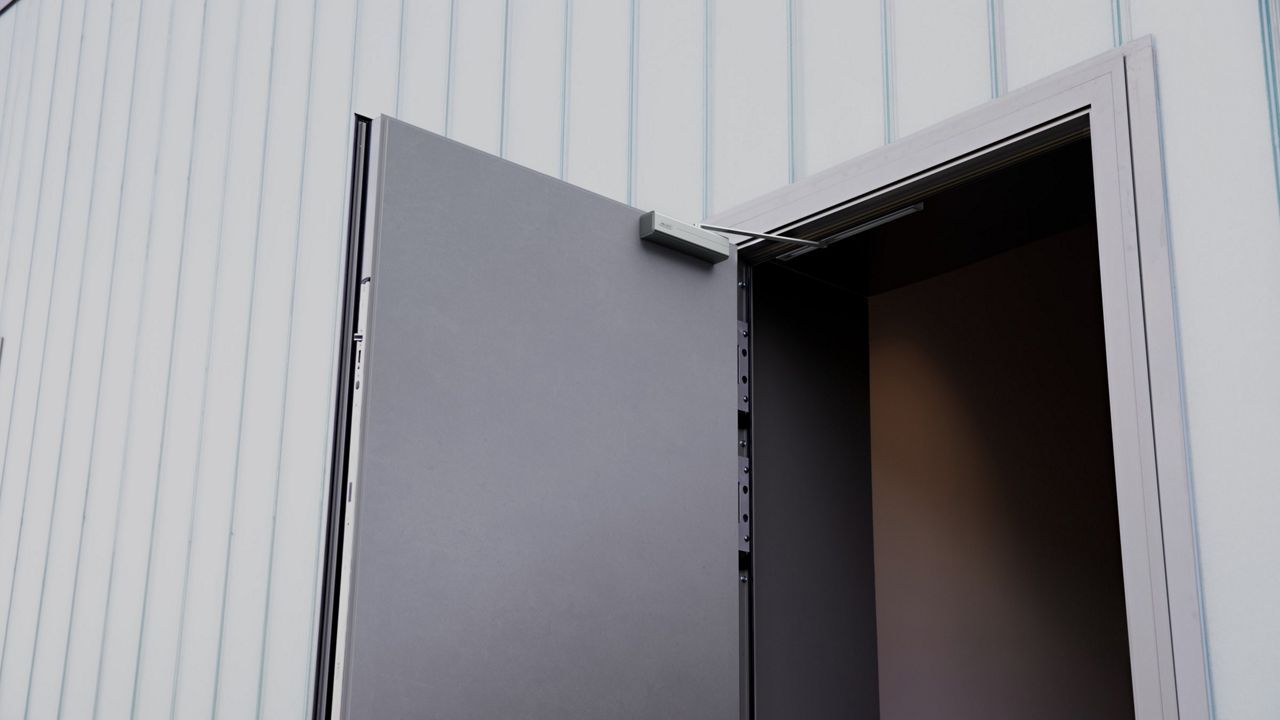
As previously mentioned, the best hinges for your application have multiple factors that determine their suitability. If you're looking at public, institutional and commercial applications, a grade 11 would be a good choice. Contrastingly, if you are fitting doors potentially subject to abuse, i.e. security doors, an EN grade of 13-14 would be a better solution.


How long do door hinges last?
The lifetime of any door hinge is particularly influenced by its maintenance. While it varies, considering a wide range of factors, an average lifetime for a door hinge is around 10-15 years. However, provided they are properly maintained and used in accordance with their specification, some hinges can last double that time.

When to shim door hinges?
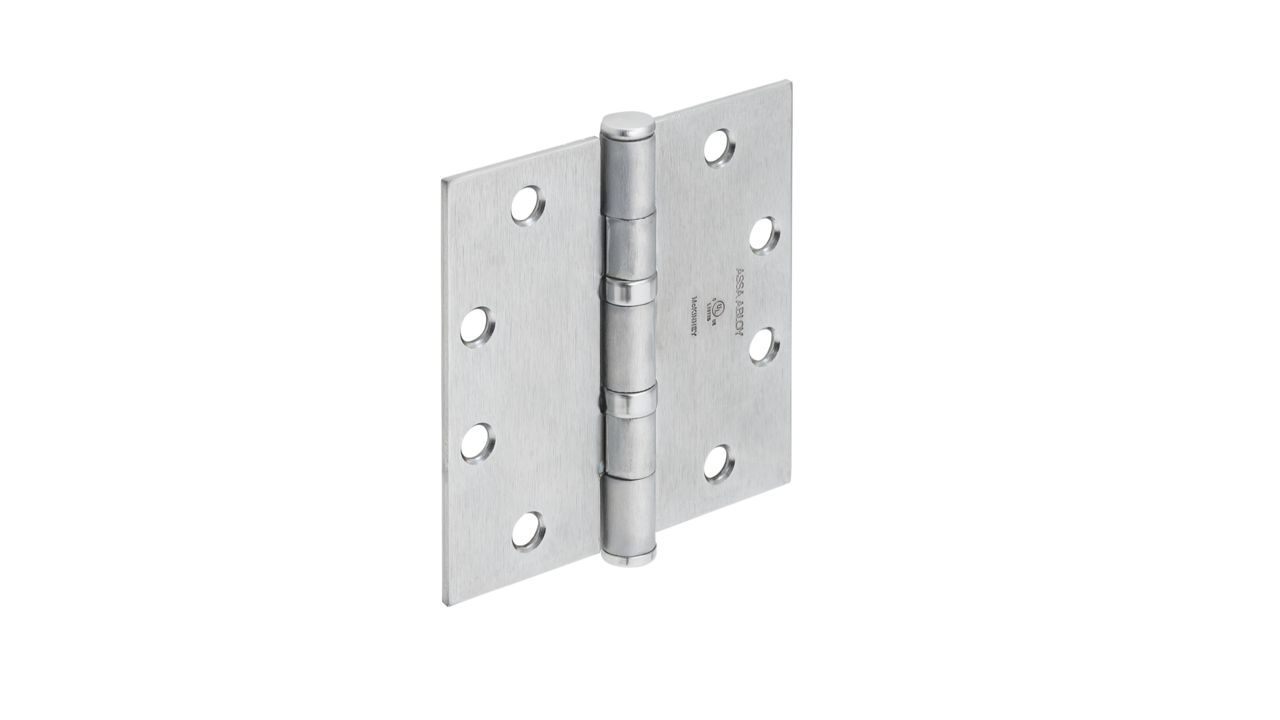
To shim a door hinge typically refers to prehung doors and windows that need to be fitted into a frame that’s slightly bigger. If a door is rubbing against the doorpost or frame, a small piece of paper, wood or metal would be used to correct the fitting.

What kind of hinge swings both ways?
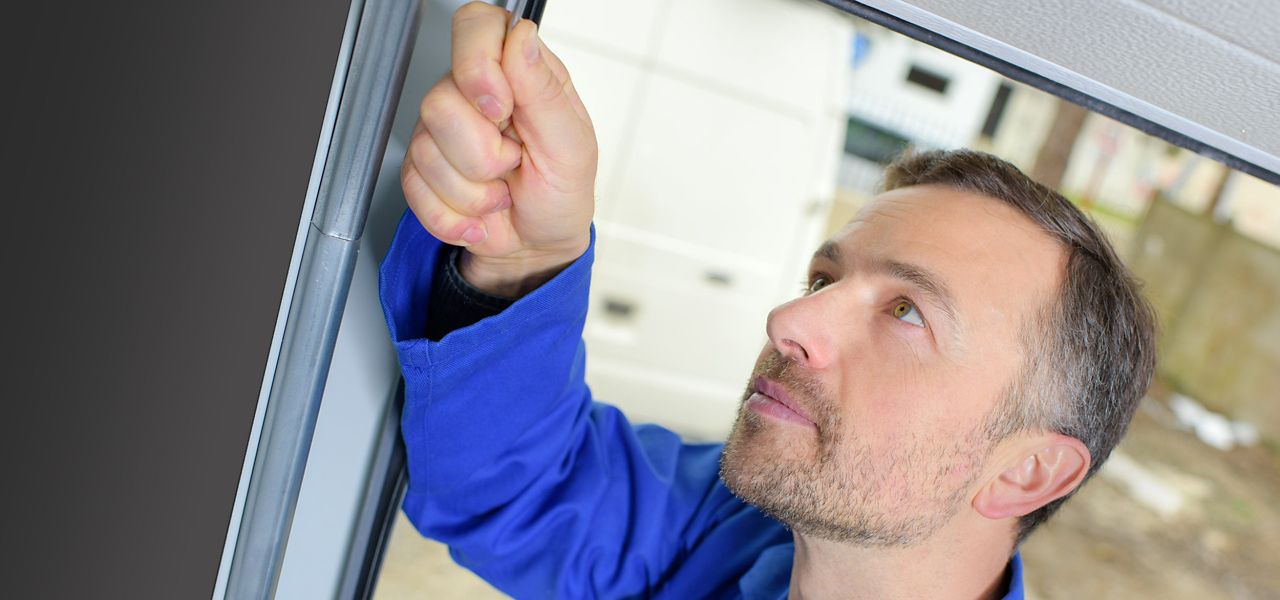
If you want a door to swing both ways, double action spring hinges will allow for the door to open in both directions. They are commonly used for healthcare facilities and commercial buildings.


Where are the hinges on an outswing door located?
Depending on the location of the handle, the hinges can be located on either side of the door.

What are cranked hinges used for?
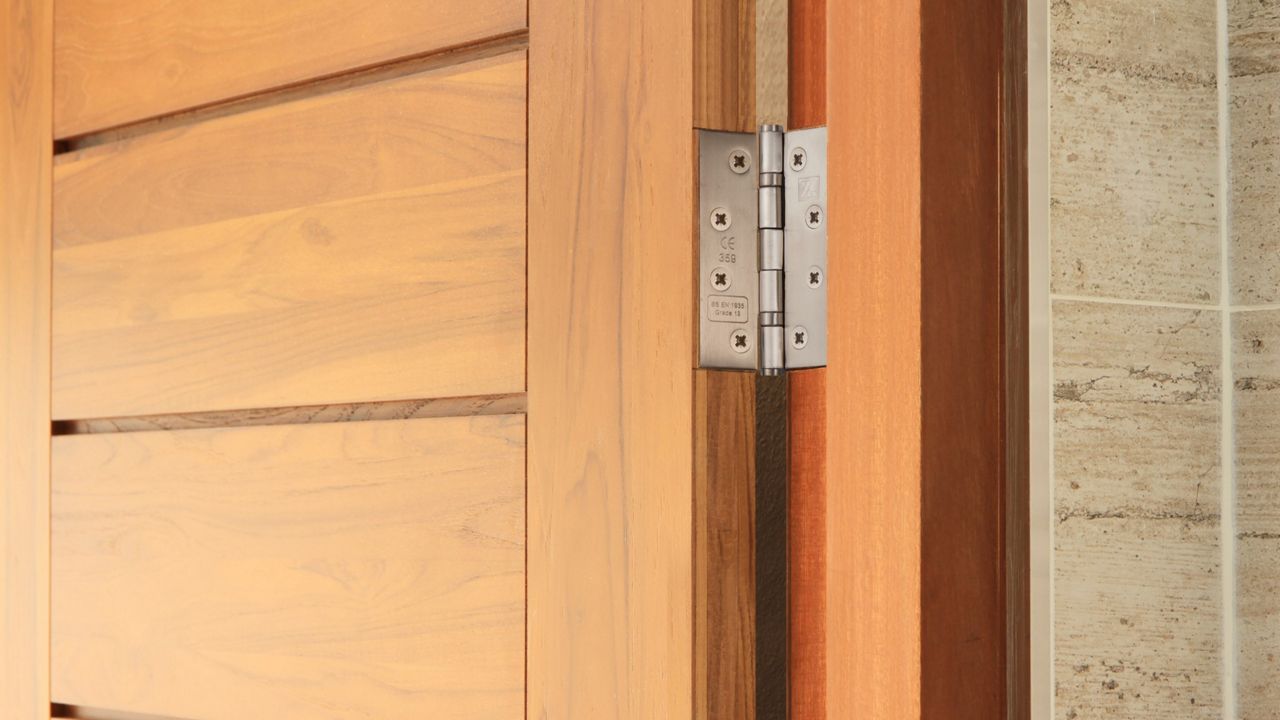
Cranked hinges are generally used to allow for the door/window to open at a wider angle than normal. Depending whether they are double, self-closing or standard they can allow wider opening apertures past 180 degrees.

What is the difference between a left hinge and a right hinge door?
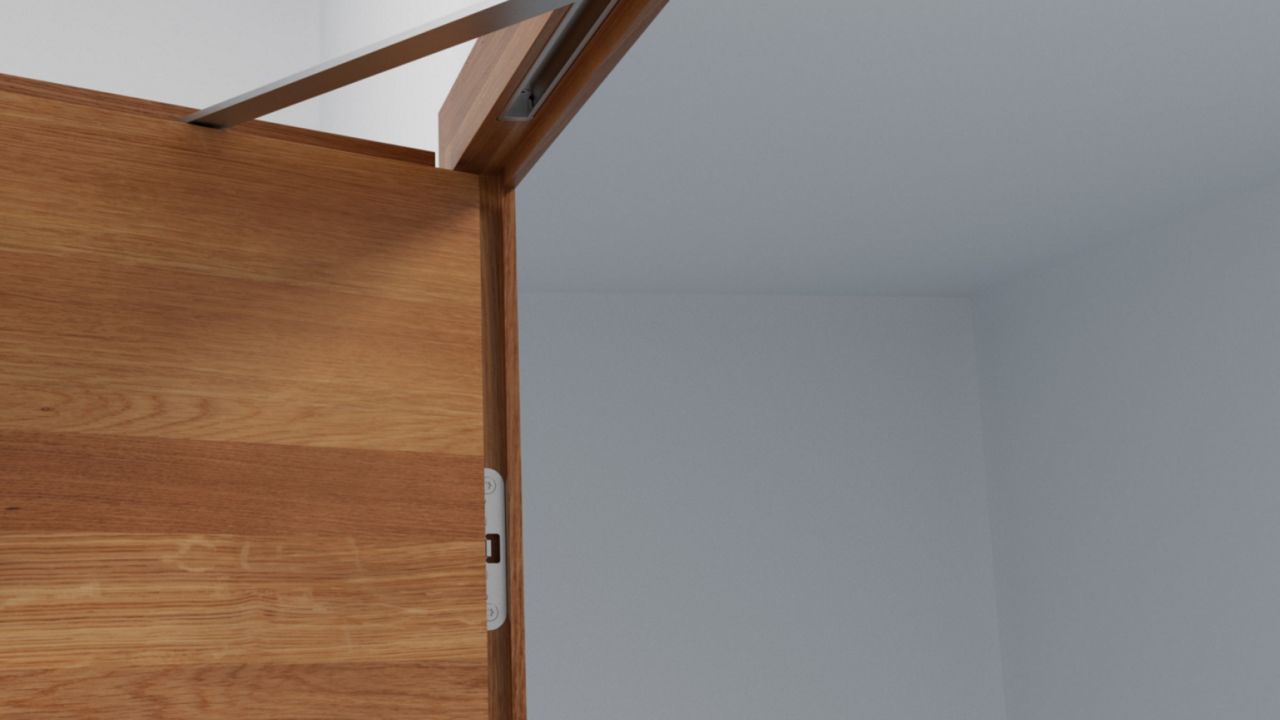
Putting it simply, it is the difference between a left-handed and right-handed door. If you’re not sure what kind of door it is, a left-handed door is the door that opens away from you, when the hinges are located on your left side. In contrast, if they are on your right side and the door opens away, that would be a right-handed door.