What is architectural ironmongery?
Let our guide cover all the information that you need to know
What is ironmongery in architecture?
In architecture, ironmongery refers to the hardware and fittings made of metals that are used in construction and the finishing of buildings. It includes a wide range of items such as door handles, hinges, locks, latches, knobs, bolts, brackets, and other metal fixtures and accessories.
Ironmongery serves both functional and decorative purposes in architecture. Functionally, it provides essential elements for doors and windows, enabling them to operate securely and efficiently. In addition, ironmongery can add aesthetic appeal, enhancing a building’s overall design and style.
For architects, the range of finishes, textures, and colors offered by ironmongery is important in allowing them to select hardware that complements the building's architectural style and interior design.
Ironmongery is an essential consideration in architectural design, as the selection of appropriate hardware can significantly impact the functionality, durability, and visual appeal of a building. Architects, interior designers, and builders often collaborate with ironmongery specialists or suppliers, such as ASSA ABLOY Opening Solutions, to ensure the right ironmongery choices are made.


What is ironmongery in building?
Ironmongery in building will encompass basic items used within the construction industry for doors and windows and general fixings. Generally, it is a term which applies to non-brass ironmongery. Ironmongery includes various hardware items that are integral to the construction and finishing of a building.
Common examples of ironmongery in building construction include:
1. Door hardware: This includes door handles, knobs, hinges, locks, latches, and door closers. These components are essential for the proper functioning and security of doors.
2. Window hardware: Window handles, hinges, locks, and stays are part of the ironmongery used for windows. They enable the opening, closing, and secure locking of windows.
3. Cabinet and furniture hardware: Ironmongery extends to fittings for cabinets, wardrobes, and other furniture. This includes handles, knobs, hinges, and drawer slides.
4. Architectural metalwork: Ironmongery can also cover various metal fixtures and fittings used in architectural applications.
5. Signage and wayfinding: Metal fixtures such as sign brackets, letters, and numbers are also considered part of ironmongery. They are used for signage and wayfinding within a building.
6. Bathroom fittings: Ironmongery includes fixtures and fittings for bathrooms, such as towel rails, toilet roll holders, soap dispensers, and shower fittings.
Looking for premium, high-performance architectural ironmongery solutions? As the UK’s leading supplier of door opening solutions for a wide range of markets and sectors, we understand exactly what decision-makers are seeking when selecting doors, hardware, security systems and door accessories. Find out more here.


What is hardware and ironmongery in architecture?
In architecture, "hardware" and "ironmongery" are often used interchangeably to refer to the various metal fittings, fixtures, and accessories used throughout buildings. While the two terms are related, there is a subtle distinction between them.
Hardware often refers to a broad category of metal components that are essential for the functioning of doors, windows, and other building elements. Items associated with hardware include hinges, locks, latches, handles, bolts, brackets, and fasteners. Hardware serves functional purposes, within doors and windows this is the secure and smooth opening and closing to allow entry and exit from rooms or buildings.
Ironmongery specifically refers to the range of metal fittings and fixtures used in building construction. It includes the same items as hardware but often emphasises the decorative aspects of these components. Ironmongery not only serves functional purposes but also adds aesthetic value to a building. It includes elements like door handles, hinges, locks, latches, and other metal accessories.
While hardware focuses on the functionality and practicality of metal components, ironmongery highlights their decorative and design-enhancing qualities. Both hardware and ironmongery play crucial roles in architecture, ensuring that buildings are structurally sound, functional, and visually appealing.

What is architectural door hardware?
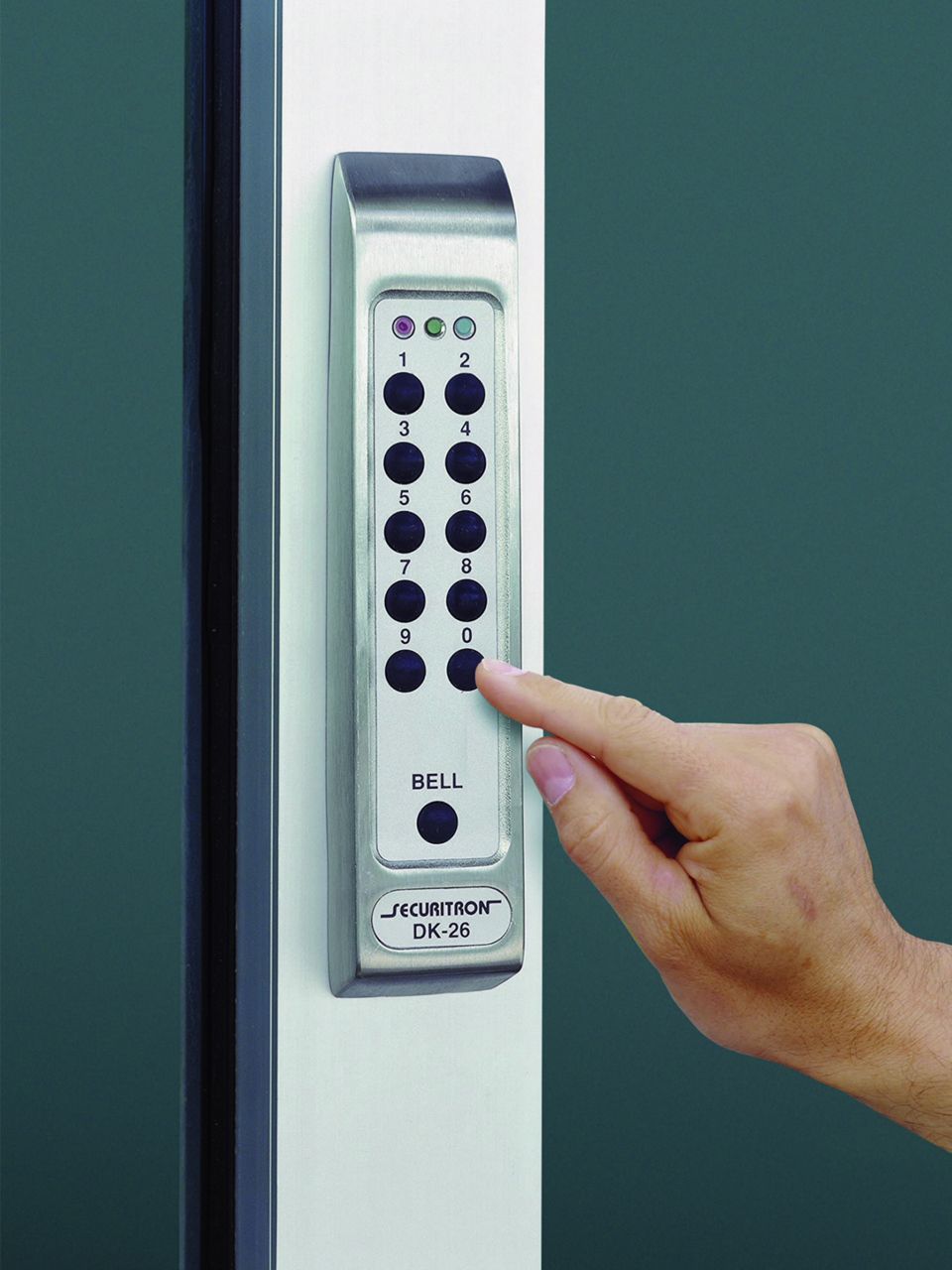
Architectural door hardware refers to fittings and fixtures that are specifically designed for use on doors in architectural applications. These hardware components are chosen based on their functional capabilities, durability, and aesthetic qualities and help to improve the design and performance of doors in a building.
Included in architectural door hardware are door handles, hinges, locks and locksets, door closers and exit devices.
Here at ASSA ABLOY, we specialize in innovative products that make a real difference to how a building is used. Our contemporary, design-led solutions complement any modern environment and meet all the necessary standards and legislation for safety and security.
Available in various styles, finishes and materials, our architectural door hardware is selected based on factors such as the type of door, its location, the level of security required, the building's aesthetics, and the intended use of the space.