Electronically controlled locks – the key facts
Electronically controlled locks are one of the most effective ways for commercial entities to boost their security and therefore peace of mind.
After all, when choosing between a standard mortice lock and more advanced options, it makes sense to opt for the one that utilises the best of modern technology – especially where the protection of important assets and business data is concerned.
But what are the main things to know about electronic locks before making a purchasing decision? Here’s an overview of commonly asked questions.
What are the main things to consider when selecting an electric lock?
There are many things to consider; from security levels to compatibility with the type of door but life safety should be the first – is the lock tested and rated to match other components used, what is the lock strength, is a fire rating required, should the lock be fail safe or secure.


What are electronic door locks?
Electronic locks are operated via an electrical signal usually from a managed device where users can easily be added or deleted as required (e.g. access control, intercom or similar system) instead of the need for physical keys which can be lost, stolen or copied. As well as providing a higher level of security they can be used to manage multiple door or site requirements and can be connected to alarm systems to automatically unlock for escape or lock for security.

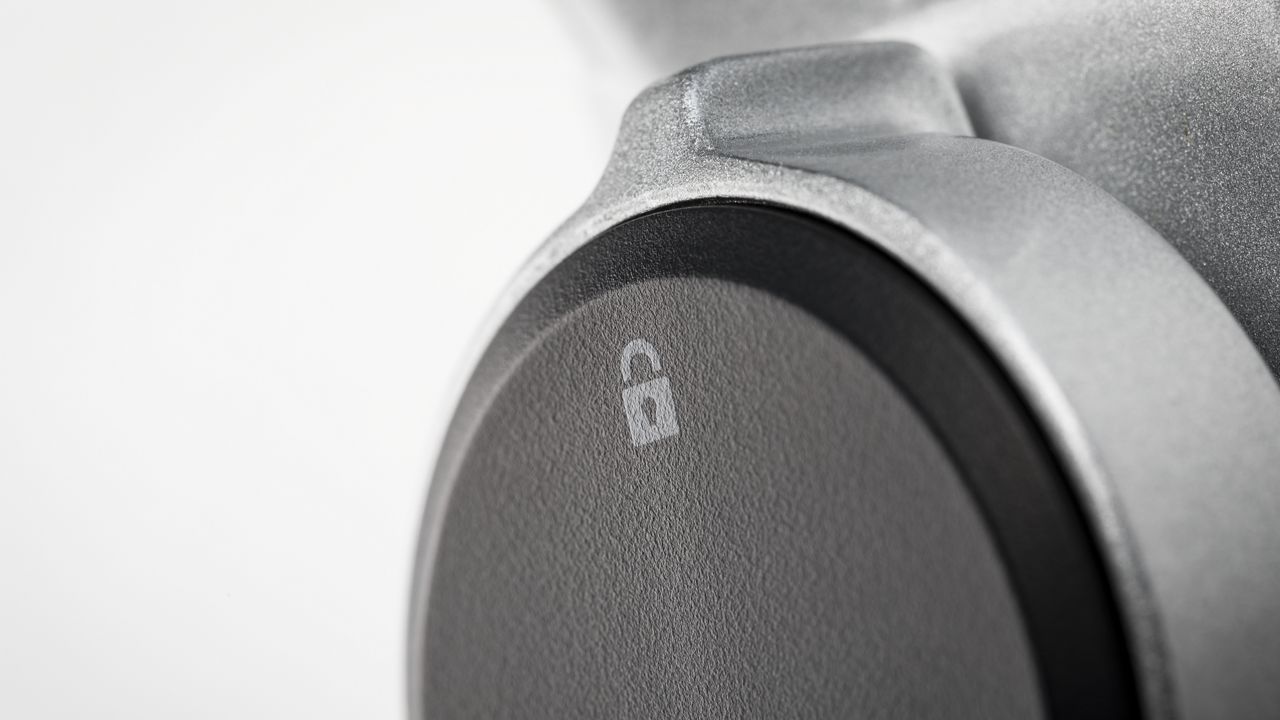
What types of electronic locks are there?
There are many different types of electromechanical lock available, including code locks, electric solenoid bolts, electric strikes, electromagnetic locks, electric mortice locks, and more.


What kind of electronic lock would be the most effective?
This depends on the application. For example, if it’s necessary to restrict who can access a particular area, then a code lock is likely to be a good solution. In high-security, high-traffic areas where reliability and security are key considerations, a more suitable choice can be an electric mortice lock. On other applications, such as swing through or double action doors, an electric strike can be impractical, in which case an electric solenoid bolt could be the best bet.
Explore our range of electornic locks to find out what’s the best solution for your needs.


What is an electromagnetic lock?
Electromagnetic locks (or maglocks) are made up of two components, an electromagnet and an armature plate, a strong magnetic flux is created when the armature plate is in contact with the energised electromagnet which locks them together.


Will magnetic door locks still work during a power outage?
If power is removed from a magnetic lock it will ’fail safe‘. If security is favoured over escape (i.e., unmanned, alternative escape route available etc) a battery back-up could be added for continuous operation.


What is an electromechanical lock?
Electromechanical locks are locks that are operated by means of electricity. They come in many forms and work in association with a variety of access control systems.
They often combine the features of a mechanical manual lock (i.e. key operated bolt/latch) and can be electrically controlled by a signal from management systems. They include electric strikes, motor locks and solenoid locking bolts.

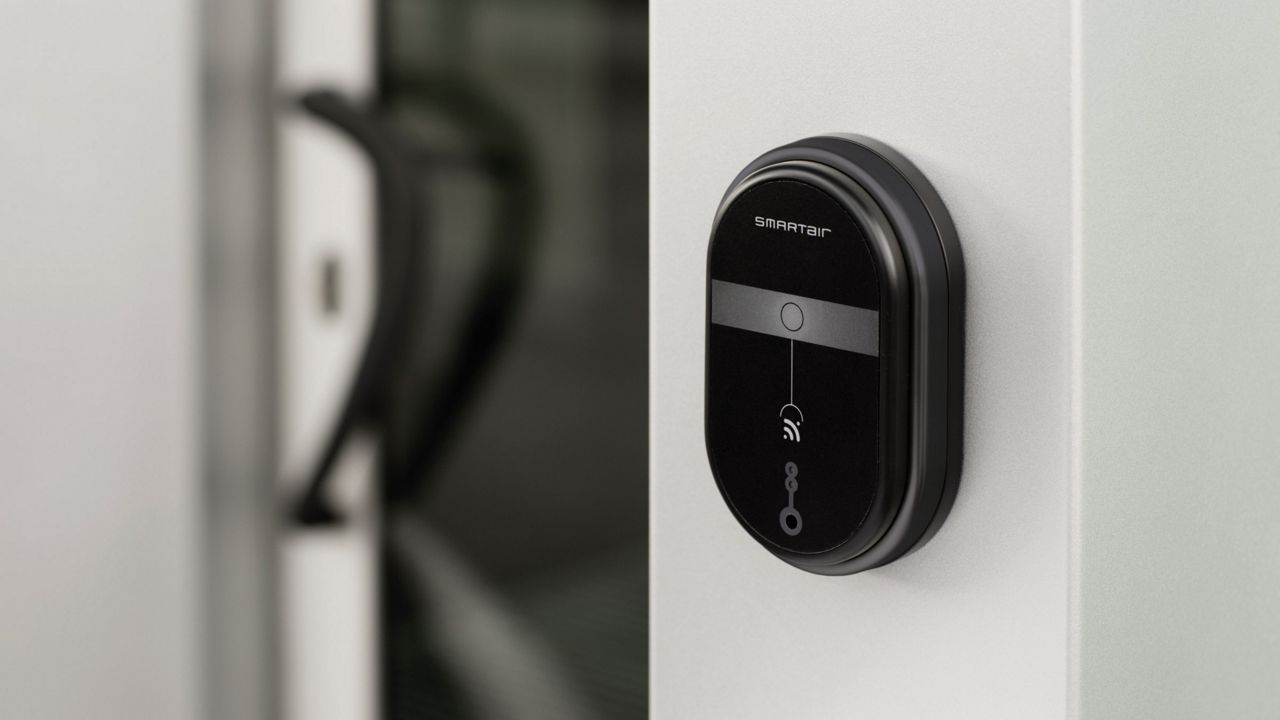
Why do people use electromechanical locks?
It makes sense for many commercial entities to use electromechanical locks because of the high level of security they provide. Out of a standard mortice lock and more advanced options, the lock that utilises the best of modern technology is likely to be the best option.
Electromechanical locks often provide features for secure daytime controlled entry via access systems but also mechanical features that provide a night-time deadlock or similar function, which are often high security rated.


What is AC/DC?
Alternating current (AC) is an electric current which periodically reverses direction and changes its magnitude continuously with time. Most of the low-cost door entry systems operate on AC, which produces a buzzing sound. AC strikes are only available as fail secure.
Direct current (DC) is one-directional flow of electric charge. An electrochemical cell is a prime example of DC power. DC may flow through a conductor such as a wire, but can also flow though semiconductors, insulators, or even through a vacuum as in electron or ion beams. The electric current flows in a constant direction. More sophisticated systems operate on DC allowing for continuous, silent, fail safe or fail secure operation.