Upgrading hotel access control without replacing the doors: when a retrofit is the right choice

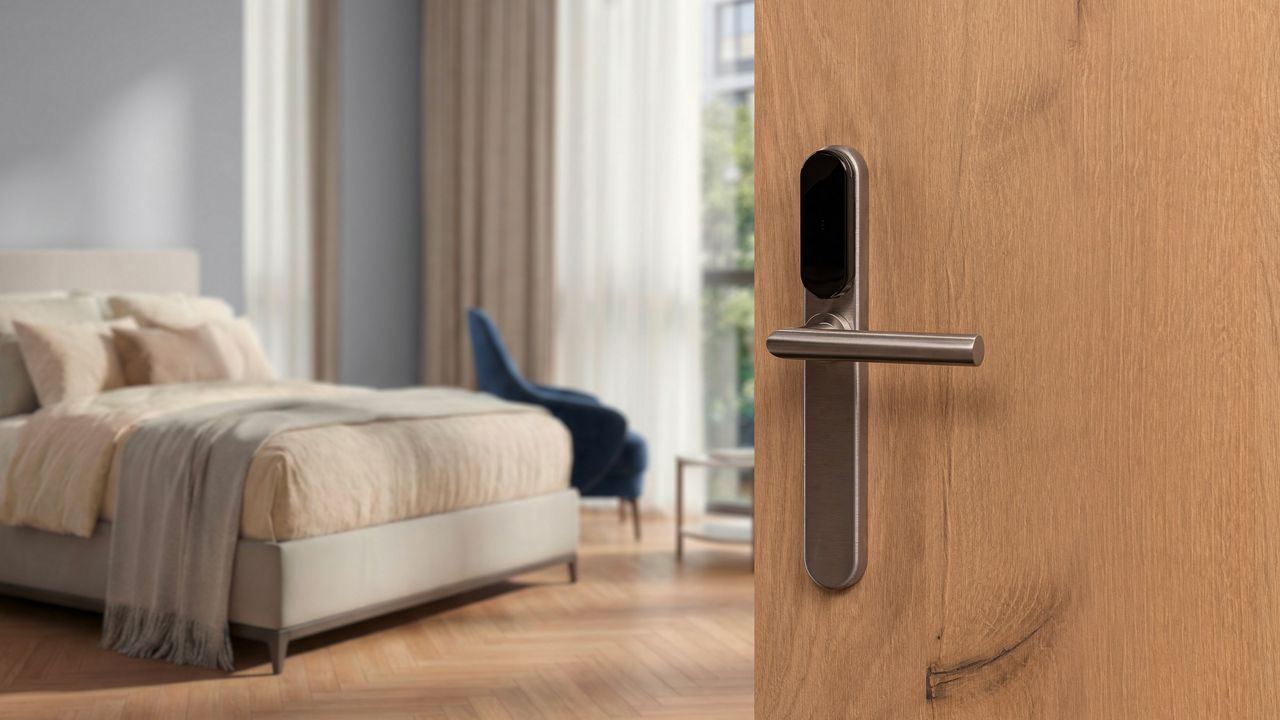
Doors that are still in good working order, but with keys that are difficult to manage, outdated technology or access systems that no longer meet the hotel’s operational needs: this is a common situation in existing properties. However, the prospect of replacing doors, locks and cylinders can make the project costly, disruptive and difficult to plan without interfering with day-to-day operations. A well-designed retrofit offers an alternative: introducing digital credentials, greater control over access and more flexible management, whilst retaining mechanical components that are still fit for purpose. For hotels, residential complexes and resorts, this means being able to upgrade the system in phases, minimising building work, downtime and the need to replace materials.
New doors and existing doors: two different projects
In a new build, the designer can define every element in advance: the escutcheon model, the lock, the anti-panic or automatic re-engagement function, the internal locking mechanism and the door’s finish. In existing buildings, however, the starting point is what is already installed. Indiscriminately replacing components that are still in good working order can increase the cost of the work, lead to waste and create aesthetic issues. This is why a retrofit requires a preliminary assessment of the door, the lock, the cylinder, the centre-to-centre distances and the available drill holes.
A retrofit may be the solution when a hotel wishes to move away from managing access with mechanical keys or to upgrade an electronic system that is now inadequate for current needs. The aim is not to replace everything, but to identify which elements can be retained and where the upgrade offers a tangible benefit: fewer manual tasks, credentials that are simpler to manage and greater flexibility in adapting access controls to the hotel’s organisation.
i-max: versatility that simplifies retrofitting
i-max is the TESA Hotel electronic escutcheon designed to adapt to a wide variety of configurations. The reader, control mechanism and power supply are integrated into the door, eliminating the need to wire each individual door. Compatibility with most mortise locks means the existing mechanical lock can be retained; the various configurations available also allow installation on doors with thicknesses ranging from 30 to 120 mm. This flexibility broadens the scope for refurbishment and helps to minimise unnecessary work.
Where the cylinder must remain accessible for mechanical emergency opening, a configuration with a Europrofile cylinder bore can be provided. If, on the other hand, the cylinder is removed, the existing bore can be covered with a blanking plate. The electronic privacy function also allows the ‘Do Not Disturb’ signal to be managed even without a traditional internal latch, depending on the chosen configuration.
A system that adapts to the way the facility operates
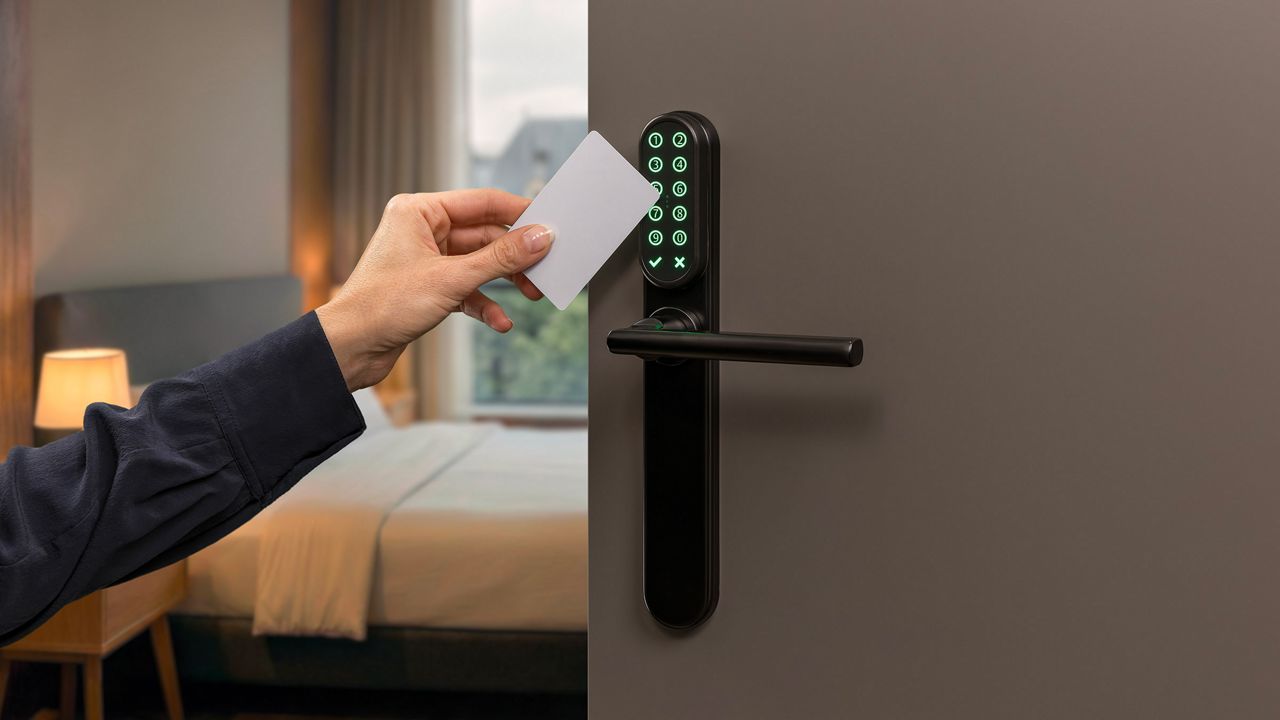
Powered by batteries, which ensure an operating life of up to 126,000 openings, i-max does not require an electrical connection to the door and is therefore particularly suitable for existing buildings. It can handle RFID cards, mobile credentials and, in the keypad version, PIN codes. Dedicated variants and accessories allow for different configurations whilst maintaining a single access control logic. The organisation can thus choose the mode that best suits its services, the layout of the reception area and the profile of its users, without being constrained by a rigid solution.
Preserving aesthetics without concealing the constraints
Retrofitting is not merely a technical matter. Removing a previous faceplate, especially if it is larger, can leave holes, fixing marks or colour differences on the door.
Metal covers matching the finish of the new i-max can conceal these marks and give the installation a neater finish, avoiding the need to replace or refurbish the door leaf wherever possible. The availability of different handles and finishes also allows the device to blend in with the style of the room and communal areas.
Before replacing everything, it is worth checking what can be retained
The cost-effectiveness of a refurbishment does not depend solely on the price of the handle plate. New doors and locks, electrical work, cosmetic repairs, rooms that are temporarily unavailable and the future management of access credentials all affect the overall cost of the project. A preliminary assessment allows you to identify compatible access points, any necessary adaptations and a possible implementation strategy by area or by floor. This is the crucial step in transforming a general need for modernisation into a sustainable, plannable project that is consistent with the hotel’s operations.
Can the doors in your hotel be upgraded without replacing them? Request a consultation with ASSA ABLOY’s Professional End User team. We’ll start by looking at the configuration of your access points and your operational priorities to assess the feasibility of the retrofit, highlight the elements that can be retained, and define a possible course of action. An initial consultation can help you quickly understand whether i-max is suitable for your property and what tangible benefits it can deliver.
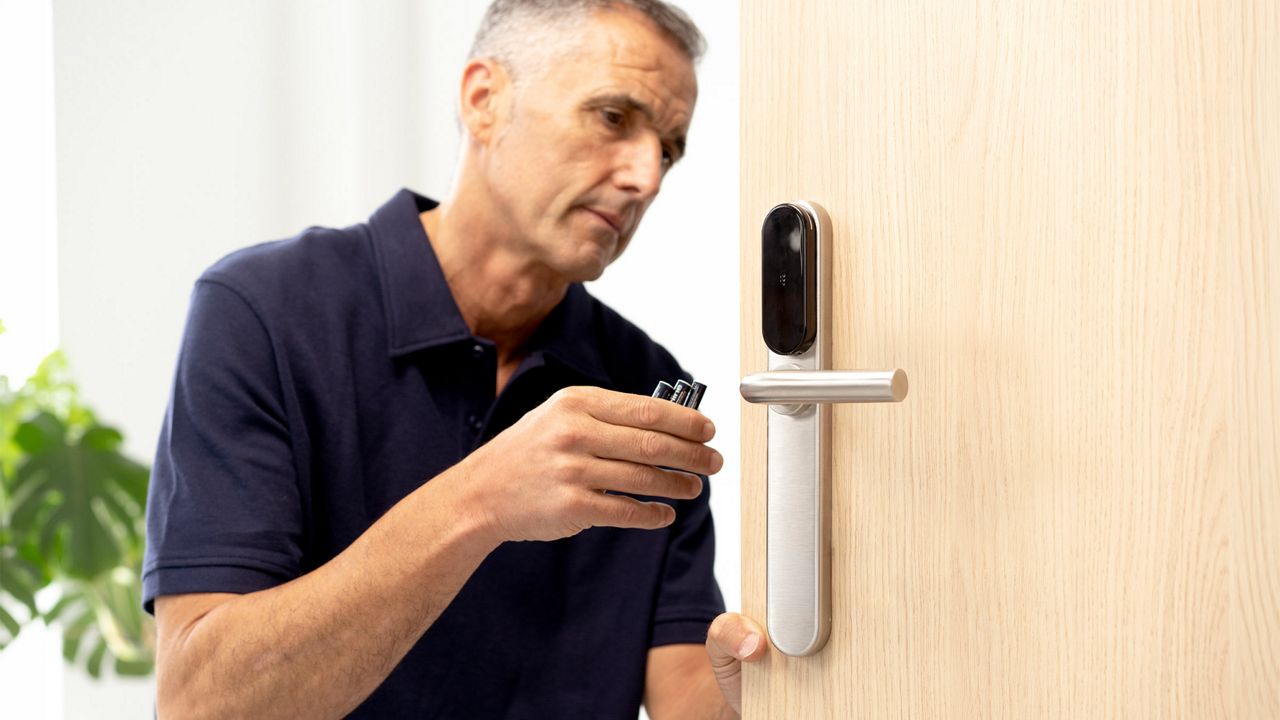
Would you like a sneak peek at what your doors will look like with i-max?
Related products
TESA Hotel i-max Electronic Escutcheon
The i-max electronic escutcheon is a completely renewed and updated access control device, with a sophisticated design and extra-resistant locking mechanismTESA Hotel i-max Electronic Escutcheon with Keypad
The i-max Electronic escutcheon with Keypad is an extension of the i-max escutcheon and a perfect solution for any establishment with an unattended reception

