How Cloud-Based Access Control Is Changing the Way Buildings Are Managed

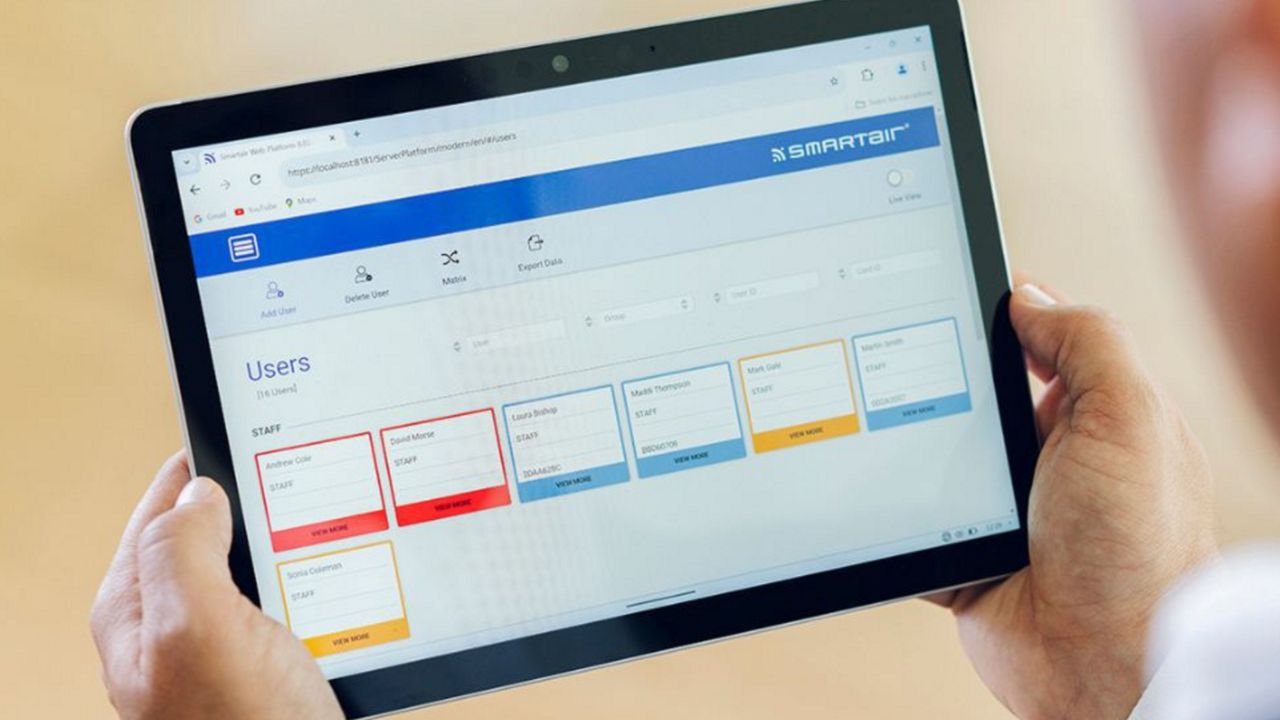
Access control has been shifting quietly in the background for years. As buildings become more complex and the people using them become more mobile, the old approach - keys, fixed permissions, and standalone systems - just can’t keep up. What we’re seeing now is a move toward cloud-based access control, where permissions can evolve as buildings, teams, and risks change.
Why access control needed to change
Modern facilities aren’t just places people walk in and out of. They’re shared workspaces, hubs for contractors and visitors, and environments with different security requirements depending on the day, time, or event. Traditional key-based setups struggle to adapt because every change requires a physical action: issuing a key, retrieving it, rekeying a lock, or updating a local system that doesn’t talk to anything else.
Cloud-based systems flip the model around. Instead of managing access at the door, control shifts to a central platform where permissions are tied to people - their role, schedule, or location - rather than to hardware.
How cloud access works in real settings
In practice, cloud access control means the software sits securely in the cloud instead of being installed on a server inside the building. Facility managers log into a central dashboard and make changes in seconds, whether they’re in the building or working elsewhere.
The hardware doesn’t disappear. Readers, locks, and credentials still matter, but they no longer have to be micromanaged door by door. Updates, permissions, scheduling, and audit trails all flow through one place, so managing access feels similar to managing users in any other modern digital system.

The day‑to‑day difference
The biggest improvement shows up in routine tasks. A new employee starts? Their access can be issued before they arrive. Someone changes departments? Adjusting their permissions takes minutes. When staff leave, access can be removed immediately - no collecting keys or wondering how many were copied.
For organisations with multiple sites, this centralisation makes an even bigger impact. One policy can apply across every location, with room for local exceptions. It creates consistency and reduces the chance of access gaps simply because teams are spread out.
Where cloud access adds the most value
Cloud access control works particularly well in environments where people come and go frequently.
- Offices: Onboarding and offboarding becomes faster and more reliable.
- Education: Rooms can be restricted by time or student group.
- Healthcare: Sensitive areas can be locked down tightly while keeping clear audit trails.
- Regional or remote sites: Managers can oversee access without needing to be physically present.
Issues can often be resolved remotely, saving time and reducing travel - especially helpful for organisations with large or dispersed portfolios.
Wireless and mobile access as natural extensions
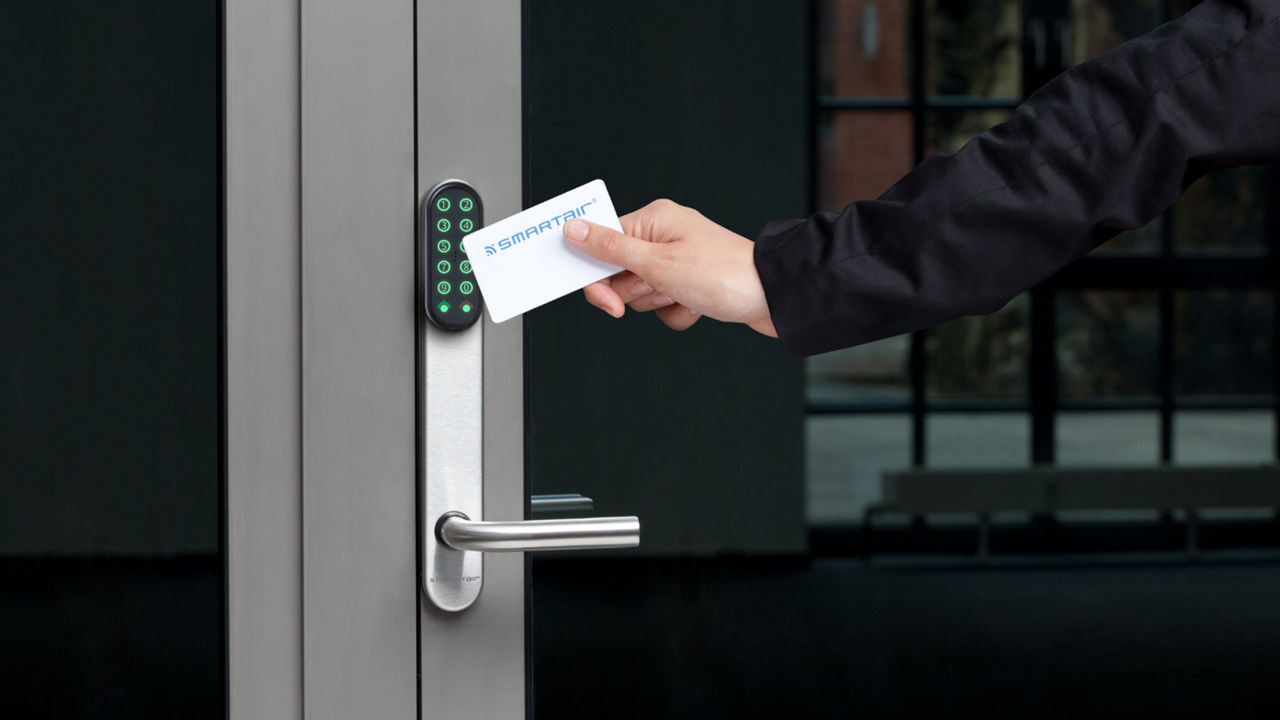
Cloud access becomes even more effective when paired with wireless locking. Wireless devices make it possible to bring access control to more doors - particularly in older buildings where cabling is expensive or disruptive.
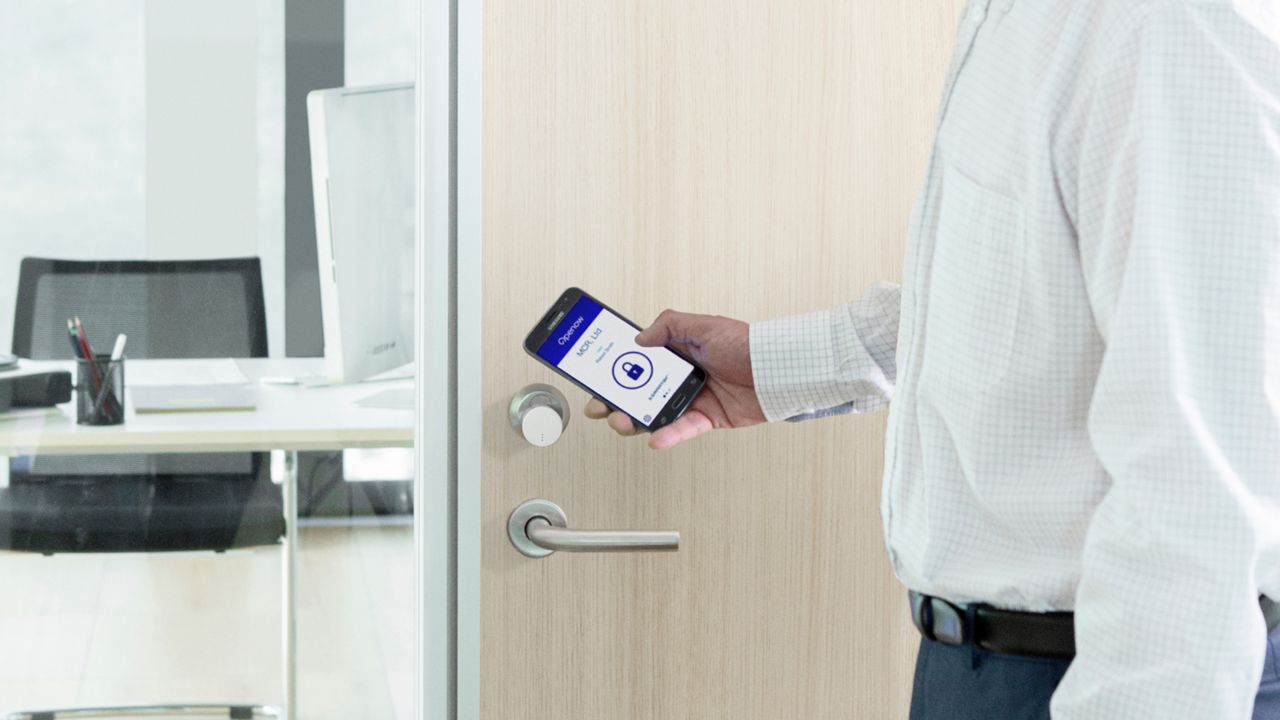
Mobile credentials take it a step further. Instead of carrying fobs or cards, users simply tap their phone. Permissions can be added or removed instantly, which reduces the reliance on physical credentials and lowers replacement costs.
How it fits into a broader building strategy
Access control doesn’t exist on an island. When integrated with systems like CCTV, alarms, or visitor management, it helps create a more complete picture of what’s happening in the building. Access logs can support investigations, improve responses to incidents, or even help track space utilisation. Cloud platforms make these integrations simpler by providing a single place for systems to share data.

The role of ASSA ABLOY
ASSA ABLOY’s strength lies in combining the physical and digital sides of access control - door hardware, wireless technologies, and cloud‑based systems. This creates an end‑to‑end ecosystem that can be tailored to different building types and risk levels. As a result, access control can grow with a building instead of becoming a constraint over time.

Conclusion
Cloud‑based access control is reshaping building management by replacing rigid, manual processes with systems designed for today’s flexible environments. When paired with modern hardware and a clear access strategy, it becomes less about locking doors and more about supporting how people actually use the spaces they work in.
Explore your access control options
Whether you manage a single site or a multi‑location portfolio, find out how cloud access and wireless technologies can simplify operations, strengthen security, and support your team.
Related stories
- Blog
Top 3 Challenges System Integrators Face in 2025
2025-07-22
- Blog
How Access Control Systems are Transforming School Safety
2025-07-11
- Blog
Why Wireless Access Is Reshaping Commercial Security
2025-07-11
- Blog
Rethinking Commercial Security: Why Digital Access Solutions Are the Future
2025-07-11


