Board of Directors
The Board of Directors has overall responsibility for the organization and management of ASSA ABLOY and the Group. The Board of Directors addresses the Group’s overall objectives and strategies, Group policies, acquisitions and divestments as well as investments of major importance. Acquisitions and divestments with a value (on a debt-free basis) exceeding SEK 300 M are decided by the Board of Directors. This threshold amount presumes that the matter relates to acquisitions or divestments in accordance with the strategy agreed by the Board of Directors. The Board of Directors approves documents such as the Annual Report and Interim Reports, proposes a dividend to the Annual General Meeting, and makes decisions concerning the Group’s financial structure.
The Board of Directors’ other ongoing duties include:
- appointing, evaluating and if necessary dismissing the CEO,
- approving the CEO’s significant assignments outside the company,
- identifying how sustainability issues impact risks to, and business opportunities for, the company,
- establishing appropriate guidelines to govern the company’s conduct in society with the aim of ensuring long-term value-creating capability,
- ensuring that appropriate systems are in place for following up and controlling the company’s operations and the risks for the company associated with its operations,
- ensuring that there is satisfactory control of the company’s compliance with laws and other regulations relevant to the company’s operations, and its compliance with internal guidelines, and
- ensuring that external information provided by the company is transparent, accurate, relevant and reliable.
The Board of Directors annually establishes rules of procedure for the Board’s work. The rules of procedure state, among other things, how the Board’s work is to be distributed, including the specific role and duties of the Chairman, and the distribution of duties between the Board and the CEO. The rules of procedure include instructions for the CEO, instructions relating to financial reporting, sustainability reporting and internal control, and instructions to the Board’s Remuneration Committee and Audit Committee.
The Board of Directors has at least six ordinary meetings and one statutory meeting per year. An ordinary Board meeting is always held in connection with the company’s publication of its Year-end Report and Interim Reports. At least once a year the Board of Directors visits one of the Group’s operations, combined with a Board meeting. In addition, extraordinary Board meetings are held when necessary. All meetings follow an approved agenda. Prior to each meeting, a draft agenda, including documentation, is provided to all members of the Board of Directors.
The Board of Directors has a Remuneration Committee and an Audit Committee. The purpose of these Committees is to deepen and streamline the work of the Board of Directors and to prepare matters in these areas. The members of the Committees are appointed annually by the Board of Directors at the statutory Board meeting.
Composition of the Board of Directors
The Board of Directors, including the Chairman and Vice Chairman of the Board, is elected annually at the Annual General Meeting for the period until the end of the next Annual General Meeting and shall, according to the Articles of Association, comprise a minimum of six and a maximum of ten members elected by the Meeting. The current Board of Directors consists of nine members who were elected by the 2026 Annual General Meeting. The Board of Directors also has two members who are appointed by employee organizations in accordance with Swedish law. The employee organizations also appoint two deputies. No Board members are included in the Executive Team.
The diversity policy that ASSA ABLOY applies with respect to the company’s Board of Directors is based on Rule 4.1 of the Swedish Corporate Governance Code. The objective is that the composition of the Board of Directors, taking into account the company’s operations, stage of development and other circumstances, shall be appropriate, characterized by versatility and breadth regarding qualifications, experience and background of the elected members, and strive to achieve gender equality.
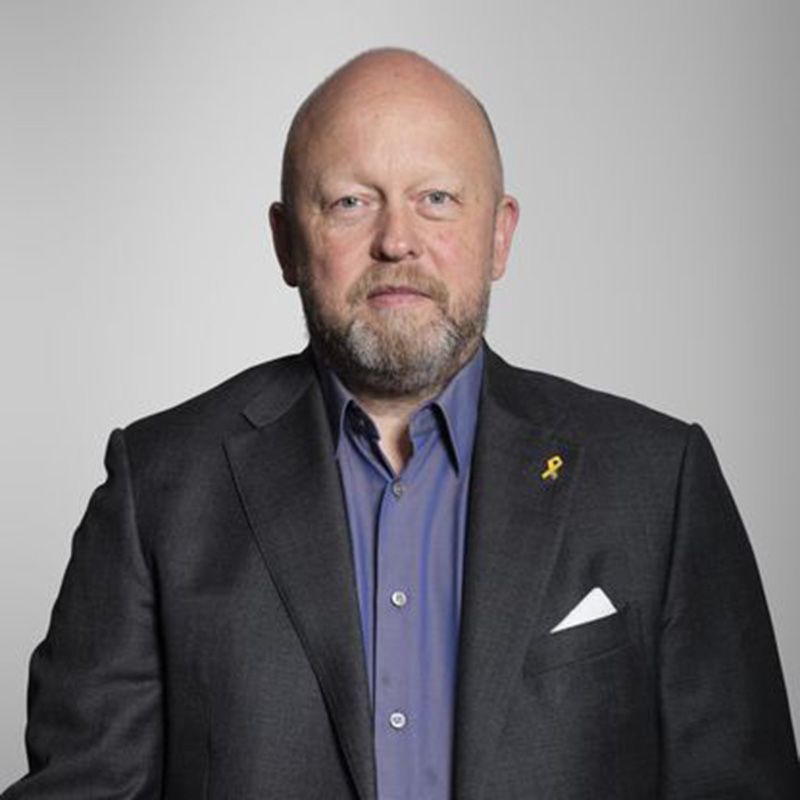
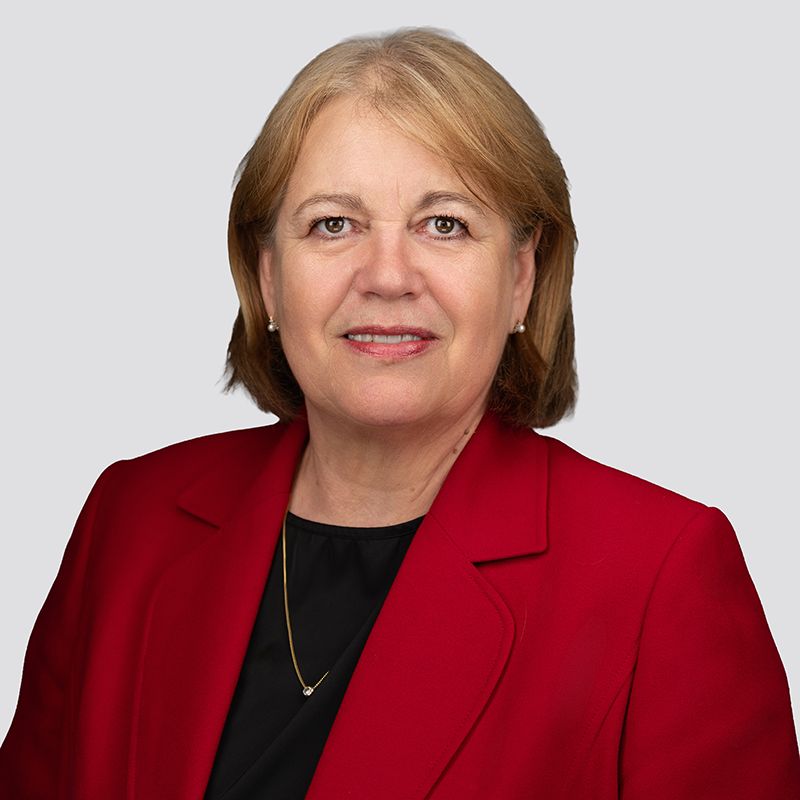
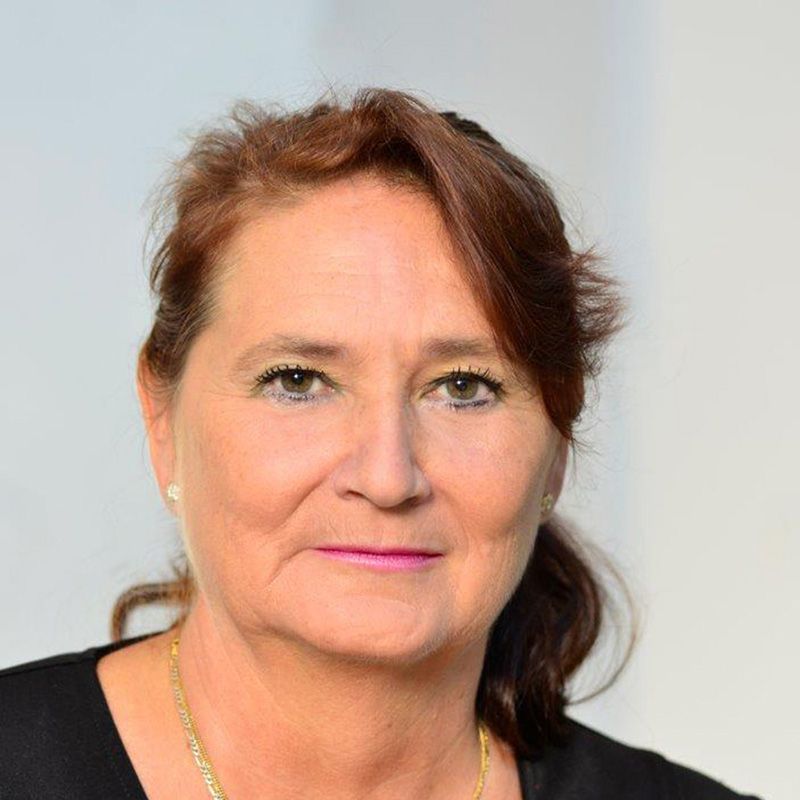
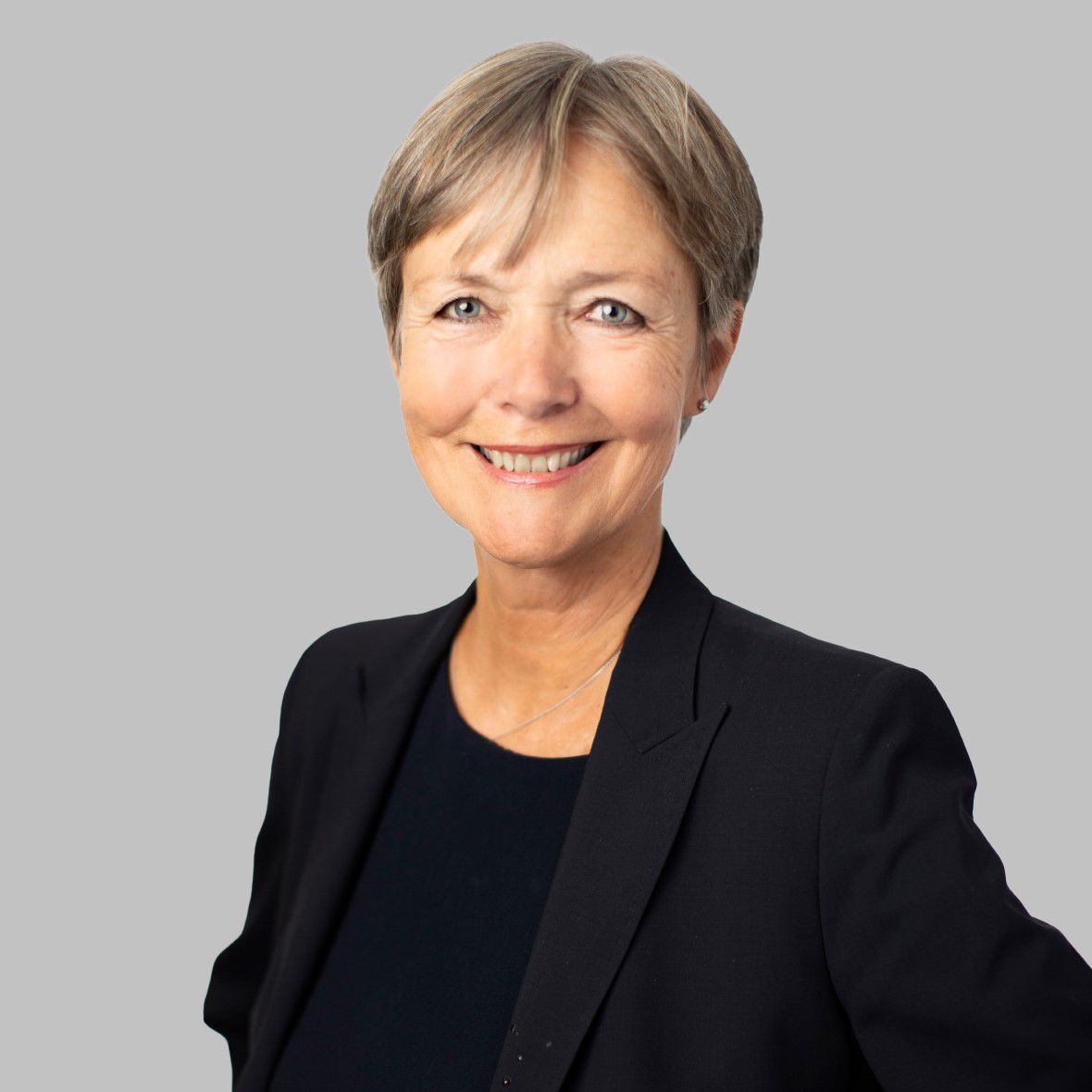
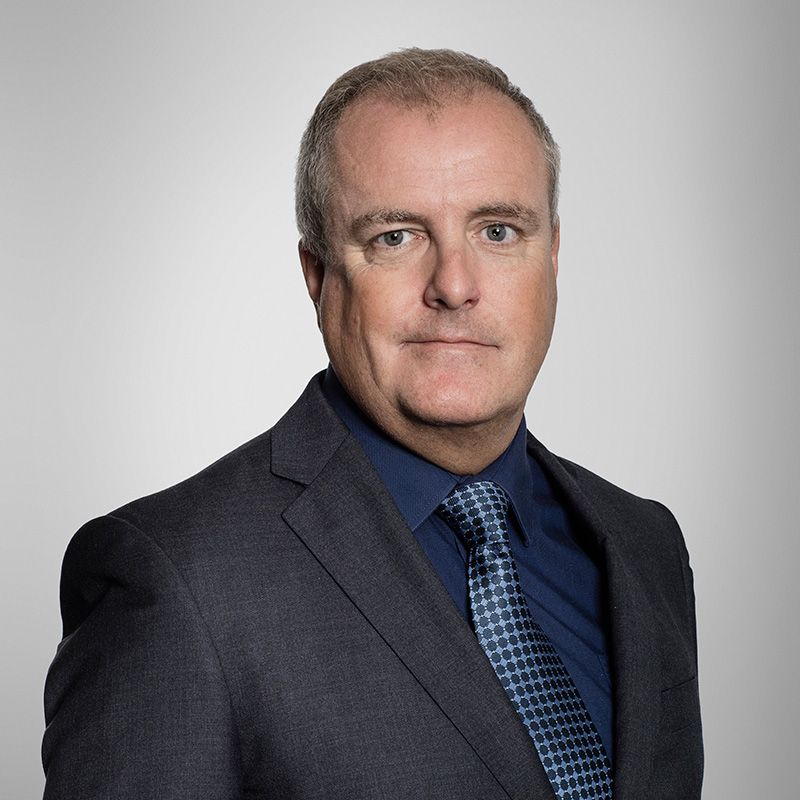
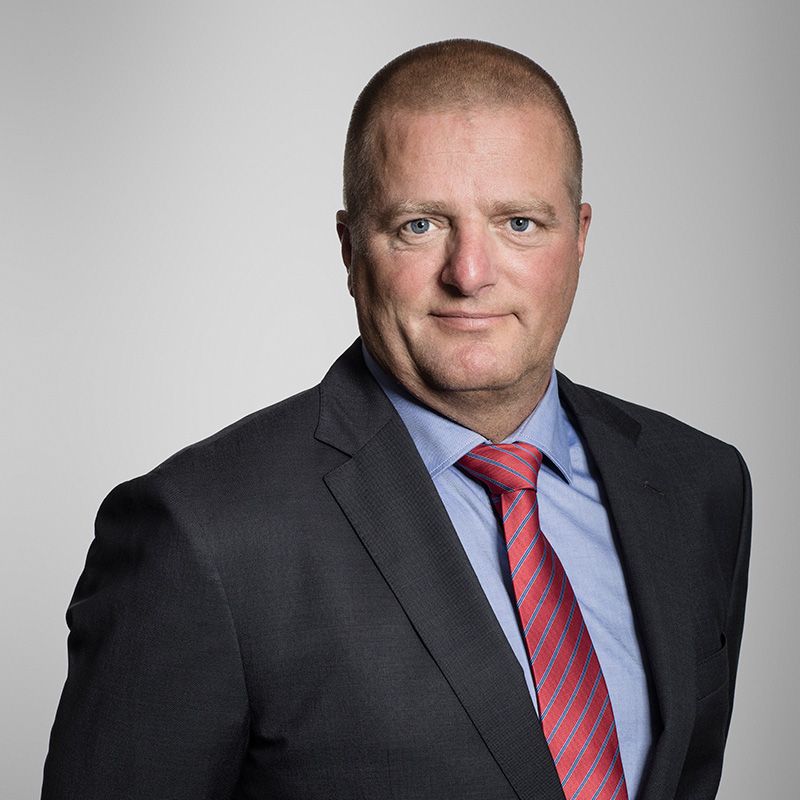
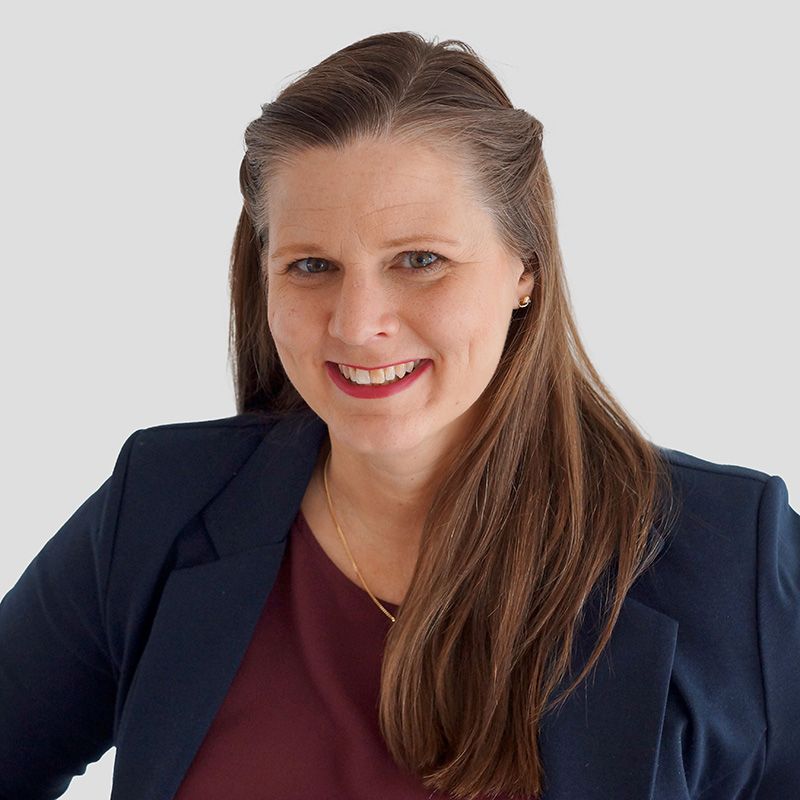
Board members
Johan Hjertonsson, Chairman
Carl Douglas, Vice Chairman
Erik Ekudden, Board member
Sofia Schörling Högberg, Board member
Astrid Mozes, Board member
Lena Olving, Board member
Jurgen Timperman, Board member
Victoria Van Camp, Board member
Susanne Pahlén Åklundh, Board member
Rune Hjälm, Board member appointed by employee organizations
Bjarne Johansson, Board member appointed by employee organizations
Fredrik Bergvall, deputy Board member appointed by employee organizations
Annika Åkerblom, deputy Board member appointed by employee organizations



















Related links
Remuneration Committee
The Board of Directors has a Remuneration Committee.Audit Committee
The Board of Directors has an Audit Committee.