Healthcare in “Metaverse”: What does facility planning look like in virtual reality?


Here we are in the era of “metaverse”, where people can live and interact in a virtual world enabled by a combination of video, virtual, and augmented reality. Though still in its infant stage in healthcare, the use of VR/AR is seen to increasingly extend the reality in the realm, enhancing collaboration and facility planning for architects, designers, and medical stakeholders alike.
From Virtual Reality to Metaverse: Healthcare Reimagined
Imagine huddling together in a virtual children’s ward. As part of the hospital design team, you are testing out the features of a new space your team has created. With VR headsets on, the surrounding furniture suddenly grows in height. The avatars around you explore the space with a child-like wonder, clambering up chairs, reaching up for a cup of water, stretching their necks to catch a glimpse of what’s outside the window… A sense of clarity slowly sinks in.
This is just an example of how architects can employ “metaverse” in healthcare. The latest buzzword “metaverse” refers to the virtual space where humans would one day be able to carry out everyday activities like traveling, shopping, and meeting with one another using avatars that represent themselves. This innovative idea has caught the attention of developers across industries. With the global virtual reality healthcare market size projected to grow from $2.7 billion in 2020 to $40.98 billion by 2026, the healthcare sector is now discussing how the metaverse might offer new possibilities in the future.
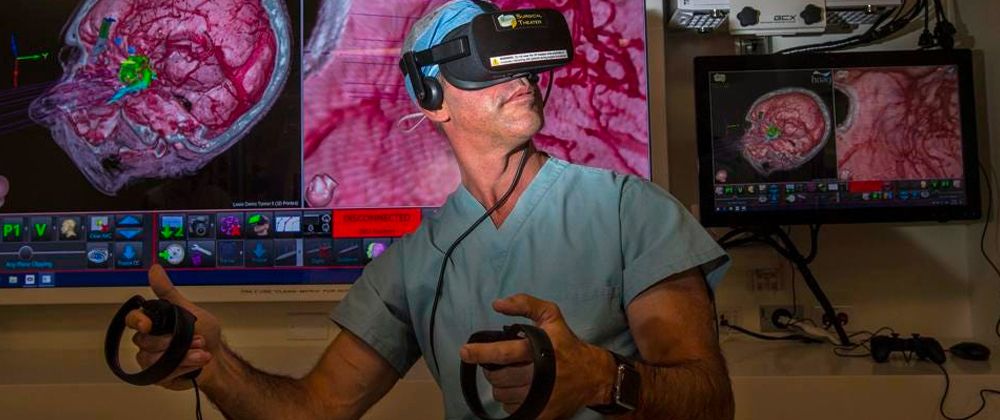
Image by Forbes via https://bit.ly/31L73Gn
In recent years, evolving technologies, such as virtual reality (VR), augmented reality (AR), artificial intelligence (AI), and mixed reality (MR), have already been used in health efforts. Examples of a real-world application include motion controls in surgical treatments, positional tracking in medical training, and multiplayer VR experiences in physician-patient communication and facility planning. Although these technologies are still in early development, they are all part of what makes the metaverse possible by creating rich, life-like interactions that enhance healthcare service and planning.

Five Considerations in Facility Planning
With metaverse beckoning on the horizon, how should the healthcare sector prepare for its arrival? When it comes to facility planning, there are five areas to consider in the process:
First, establish a clear vision for the location to avoid retrofits, including the services offered and performance metrics. Two, consider how needs may change over time. Since facility planning is time-intensive, it is crucial to think ahead and consider the adaptability of the location for different specialties. Third, evaluate the costs and potentials of new constructions and repurposing existing buildings. Conduct research to determine your best option. Four, use a retail approach to select your site. Step in the consumers’ shoes and consider pull factors like convenience and accessibility. Five, begin marketing early to raise public awareness about the facility’s launch.

Augmented Reality and Virtual Reality in Practice
Apart from facility planning, many companies are rethinking healthcare with the help of augmented reality and virtual reality in areas of medical exchange and hospital design.
Using Virtual Reality in Collaboration & Training
Renowned computer systems and chip designer NVIDIA is one of the pioneers in the metaverse forefront. With the creation of Omniverse, an easily extensible, open platform designed to display real-time physically accurate simulation, different members of a project could collaborate simultaneously and receive immediate feedback.
On the other hand, Singapore-based company Kyalio developed Asia’s first VR surgical library, revolutionizing medical education by introducing immersive visualizations through artificial intelligence and virtual reality, making continuous remote learning and training feasible during COVID-19.
Virtual Tour of Hospital Design
Healthcare facility planning is a labor and time-intensive process. Still, with the benefits brought about by virtual reality, clients can now go on a “hospital tour” and experience the layout and room finishes before the hospital has even been built. Virtual reality lets users visualize and understand the finished product during the planning process, reducing misunderstandings and the need for retrofits.
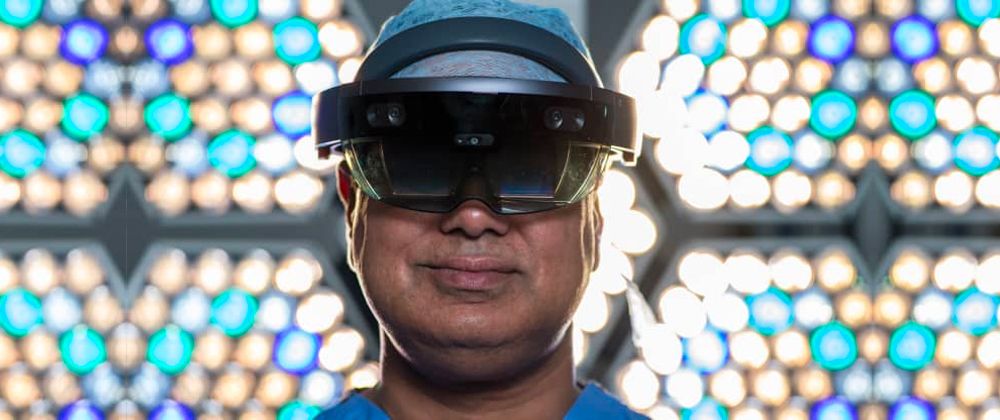
Image by CNBC via https://cnb.cx/3oGGvit
Designing with Empathy
For architects, virtual reality and augmented reality have opened up new opportunities in hospital design. With the inventions of “VR bodysuits” and “digital filters,” architects can immerse themselves in the world seen through the perspective of the elderly, children, and people with disabilities. Having virtually experienced what it feels like to have limited mobility or impaired vision, architects can design in more thoughtful and empathetic ways to suit the end-user..
Concerns that Hang Over the Metaverse in Healthcare
The rise of metaverse does sound promising, yet there are still issues waiting to be addressed, such as digital privacy and patient safety. More clinical trials and studies will need to be studied to fully understand how the metaverse could be applied safely in healthcare.
Questions and Answers
Q1: What is facility planning in healthcare?
Facility planning in healthcare is concerned with the structured and strategic process required before a construction project begins. Factors like design and construction aspects of the location and business goals are considered.
Q2: How are AR and VR used in healthcare?
Augmented reality (AR) and virtual reality (VR) are used in healthcare to enhance medical collaboration and training, as well as allow architects to design hospitals in a more empathetic way through simulating experiences of the end user.