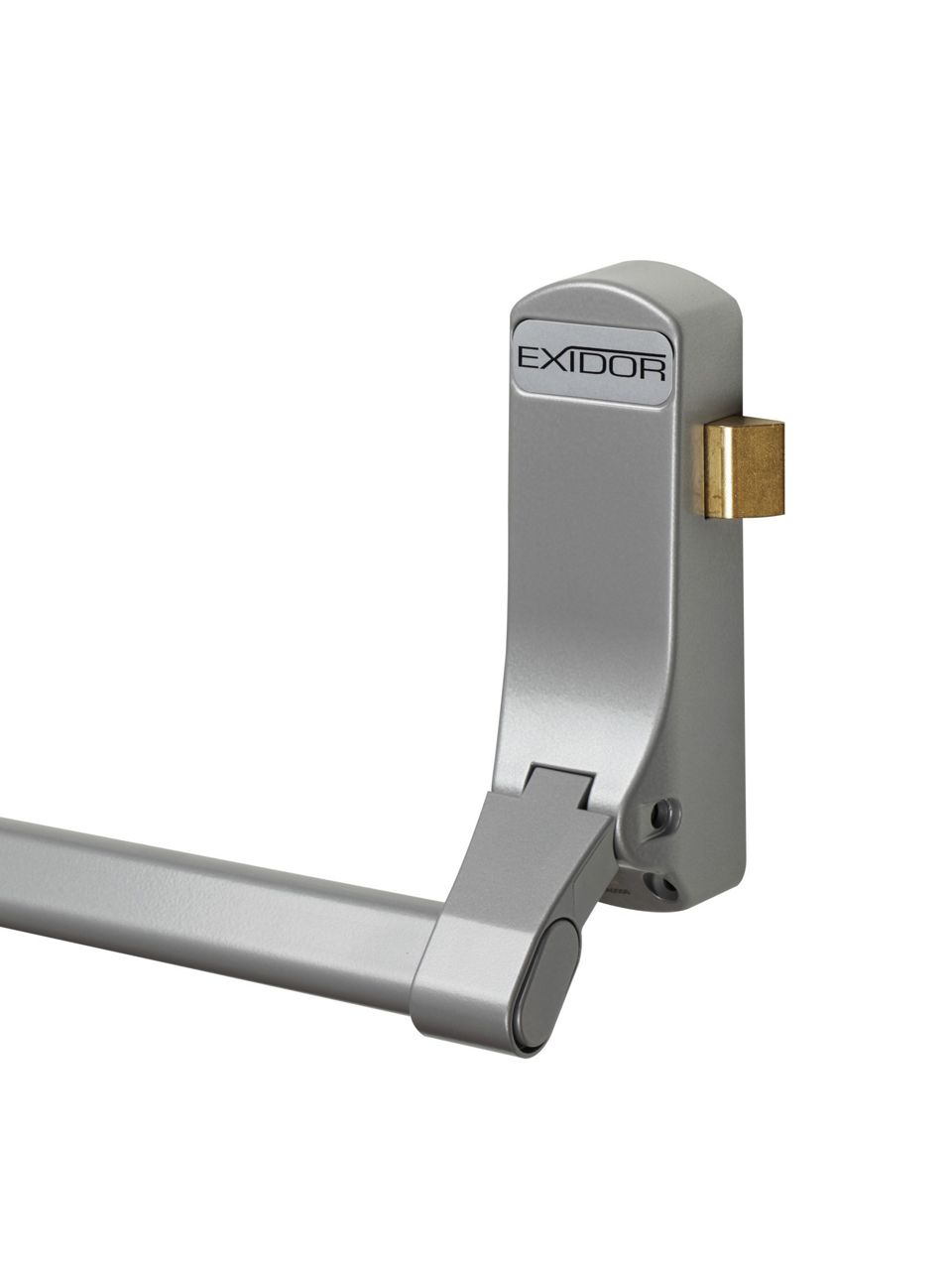
Panic and emergency escape hardware
Panic and emergency escape hardware covers a range of devices installed on escape doors to enable rapid evacuation of a building. Here’s a run-through of some of the most common questions around panic and emergency escape hardware, as well as their answers

What differences are there between EN 179 and EN 1125?
In short, EN 179 covers emergency hardware and EN 1125 covers panic hardware.
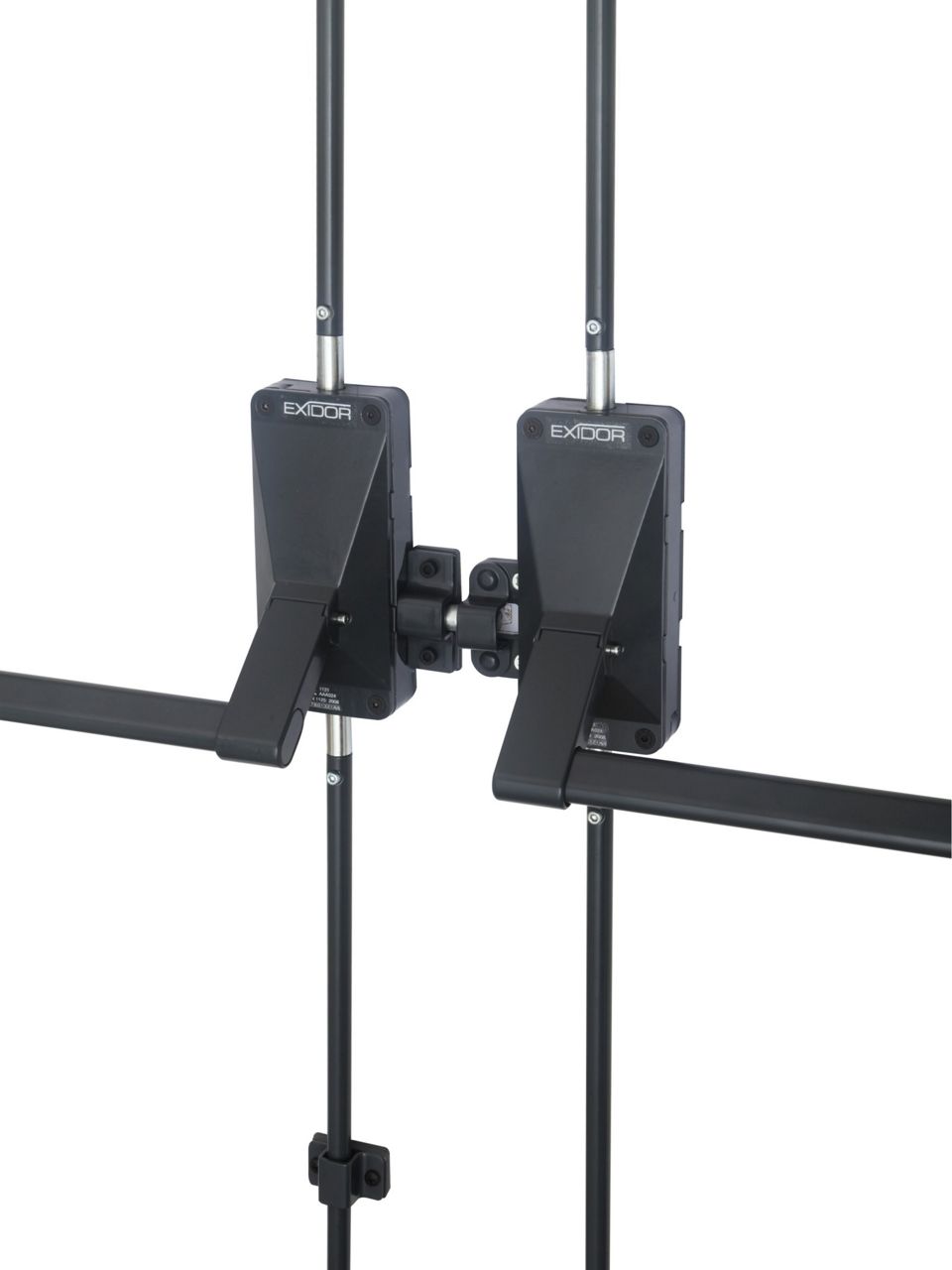
Emergency hardware is an escape device operated by a small pad, paddle, or lever handle. When the device is operated, the mechanism releases the latches or bolts holding the door shut. Due to the small contact point that will release the door, emergency exit devices are intended for use in restricted areas where all users are familiar with the building layout and know how to use the hardware. They are also for buildings that are used by fewer than 60 occupants.
Panic hardware, on the other hand, is an escape device that features an activation bar that covers at least 60% of a door face. When the bar is pushed, the mechanism retracts the latches or bolts holding the door shut and the door swings open to enable escape. Panic exit devices are a legal requirement for use in public access areas as they are very easy to use without any prior knowledge.
If there is any uncertainty about final application and/or users, specify a panic exit device to meet EN 1125.

What is the purpose of CE marking?
The purpose of CE marking is to testify that a product has been assessed by an independent third party and deemed to meet the EU standards for ability to escape and/or fire door usage. All products marketed in the EU must feature the CE mark.
As of 1st January 2023, following Brexit, the CE mark is no longer recognised in Great Britain and all new products must instead carry the UKCA mark.


Can emergency escape doors be locked?
The need to lock emergency escape doors from the outside is the reason why emergency hardware and panic hardware exist. Both are designed to enable building users to escape through doors that are otherwise locked from the outside to prevent entry into the building.

Is it ever legal to lock a fire door or an emergency door?
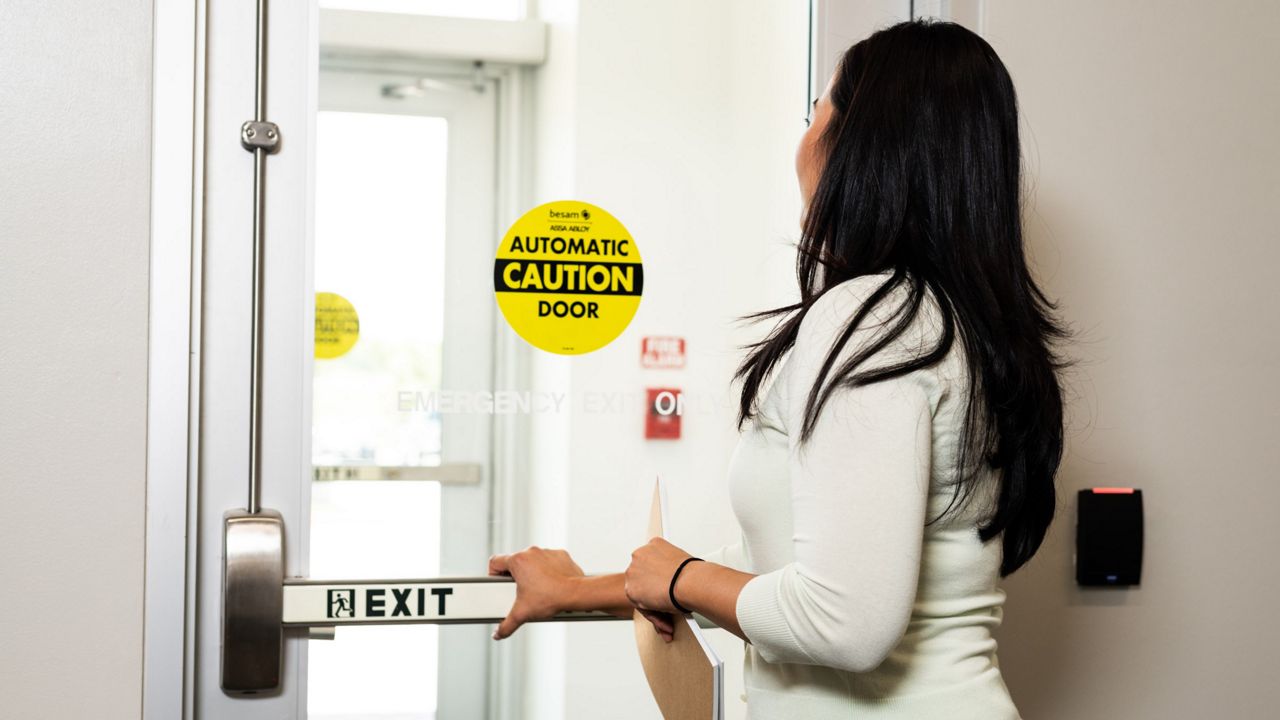
Fire doors and emergency doors generally serve a different purpose. Panic and emergency exit devices should not be locked or blocked whilst the building is occupied.
Fire doors can be locked, as long as they do not also serve as an escape route door.
An emergency escape door, however, must not be locked or fastened in a way that they cannot be easily and immediately opened by any person who may need to use them in an emergency. It can only be locked from the outside, and must always be operated from the inside. As such panic and emergency exit devices are the legally required solution to escape doors that need to be locked.


What is panic hardware?
Panic hardware is an escape device that features an activation bar that covers at least 60% of a door face. When the bar is pushed, the mechanism retracts the latches or bolts holding the door shut and the door swings open to enable escape. Panic exit devices, tested to EN 1125, are a legal requirement for use in public access areas as they are very easy to use without any prior knowledge.
Within our portfolio, we offer a complete collection including classic UK styled push bar or touch bar solutions ideal for timber and steel doors, slimline designs which are excellent for use on UPVC or glazed doors, high security units and mortice products for aluminium doorsets. Discover it here: