How Northwestern University Transformed Key Management with SimpleK

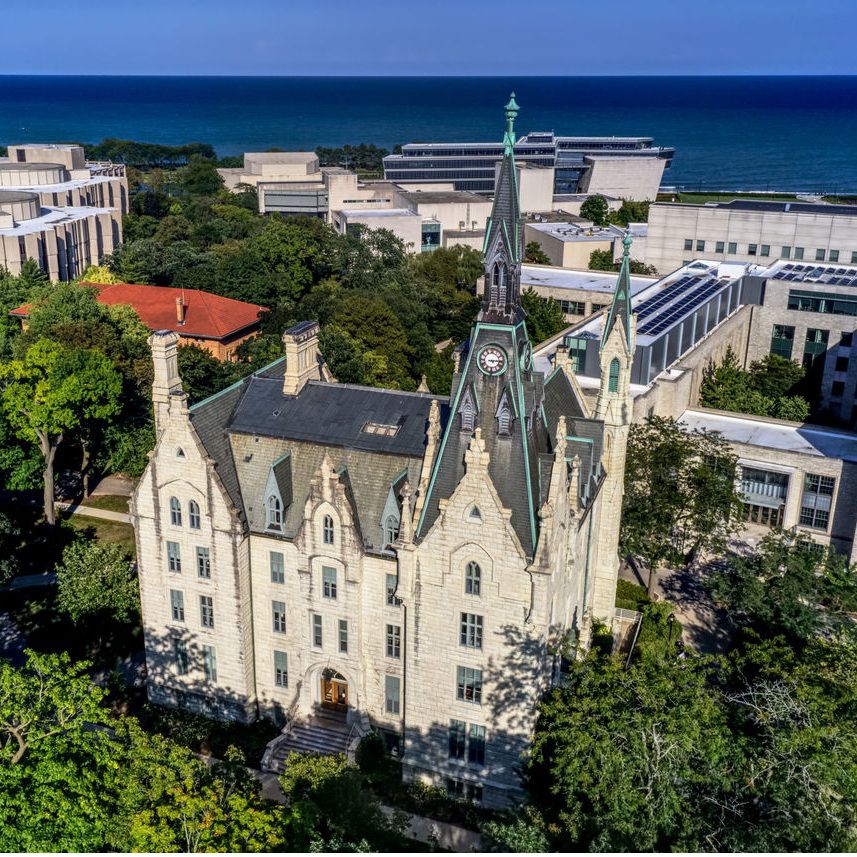
Northwestern University faced a growing challenge familiar to large, decentralized institutions: how to effectively manage tens of thousands of physical keys across multiple campuses, departments, and user groups. With over 225 buildings at their Evanston and Chicago campuses and more than 20,000 door openings, departments issued large numbers of keys without a clear understanding of who had keys to each door and whether they had been returned when no longer needed.
Until recently, the university relied on a mix of legacy tools and homegrown systems for key management that lacked consistency, control, and scalability. Northwestern recognized the need for a more robust, enterprise-grade platform that could unify processes, enforce accountability, and integrate with existing systems. The goal was to improve lock shop efficiency and also to standardize key management practices across both campuses.
“We wanted to deploy a platform that all departments could use, empower them to manage their keys more efficiently, and create a sense of accountability,” said Anthony Hicks, Supervisor of the Lock Shop for both the Evanston and Chicago campuses. “Also, it’s really hard to order keys if you don’t know what key goes to what space.”
SimpleK provided the foundation Northwestern needed to transform its approach. By serving as a centralized repository for key data, the platform enabled the university to import legacy information and establish structured relationships between keys, people, and physical spaces. This was a critical advancement, as it eliminated the ambiguity that previously plagued key requests. With SimpleK, users can now search by room or key number and instantly identify the appropriate associations, dramatically reducing manual effort and errors.
An important facet of Northwestern’s deployment was the introduction of strict authorization workflows. Previously, virtually anyone could request a key, creating both security vulnerabilities and administrative burdens. With SimpleK, only designated authorizers — typically department leaders — can approve and submit key requests. The platform also prevents duplicate key issuance by automatically checking whether a user already possesses a given key, reinforcing the university’s “one key, one person” policy.
Integration played a pivotal role in maximizing the value of SimpleK. Northwestern connected the platform to its enterprise systems, including HR databases, student records, and its facilities management platform. This integration ensures that all university employees and students are automatically available within the system for key assignments, eliminating manual data entry.
“SimpleK made key requests much more streamlined,” said Hicks. “Someone would create a key request, but the lock shop doesn’t have to verify they’ve got authority to do so, because only an authorizer can place the request. Next, we don’t have to verify whether the person has a duplicate key, because SimpleK has already performed that check. All we have to do is cut the key, put it in an envelope, and get it ready for pickup or delivery.”
Beyond operational improvements, SimpleK has significantly enhanced transparency and user empowerment across campus. All employees and students can access the system to identify who is authorized to approve access to each room, creating a “reverse lookup” capability that simplifies communication and reduces confusion. Departments can also reassign keys internally without returning them to the lock shop, eliminating unnecessary costs for having new keys cut and encouraging better key stewardship.
Northwestern University’s adoption of SimpleK represents a shift in key management to a proactive, data-driven approach. By centralizing information, streamlining authorization, and integrating with enterprise systems, the university has improved security and reduced administrative overhead.
Today, Northwestern manages approximately 25,000 unique key numbers across both mechanical and electronic access systems. While the Evanston campus is already fully utilizing SimpleK, the Chicago campus is undergoing a phased implementation that includes a comprehensive audit of existing locks and keys. Despite the challenges of onboarding incomplete or inconsistent legacy data, the university is confident that the system will provide an accurate foundation for key management moving forward.
“Our main goals were to increase departmental accountability and streamline order fulfillment within the lock shop to make the process more time- and cost-efficient,” said Hicks. “SimpleK was the perfect solution to support our objectives. I truly believe that when people have the relevant information in front of them, they'll make smart decisions regarding key management.”