How Door Hardware Impacts Hotel Design, Safety, and Guest Comfort

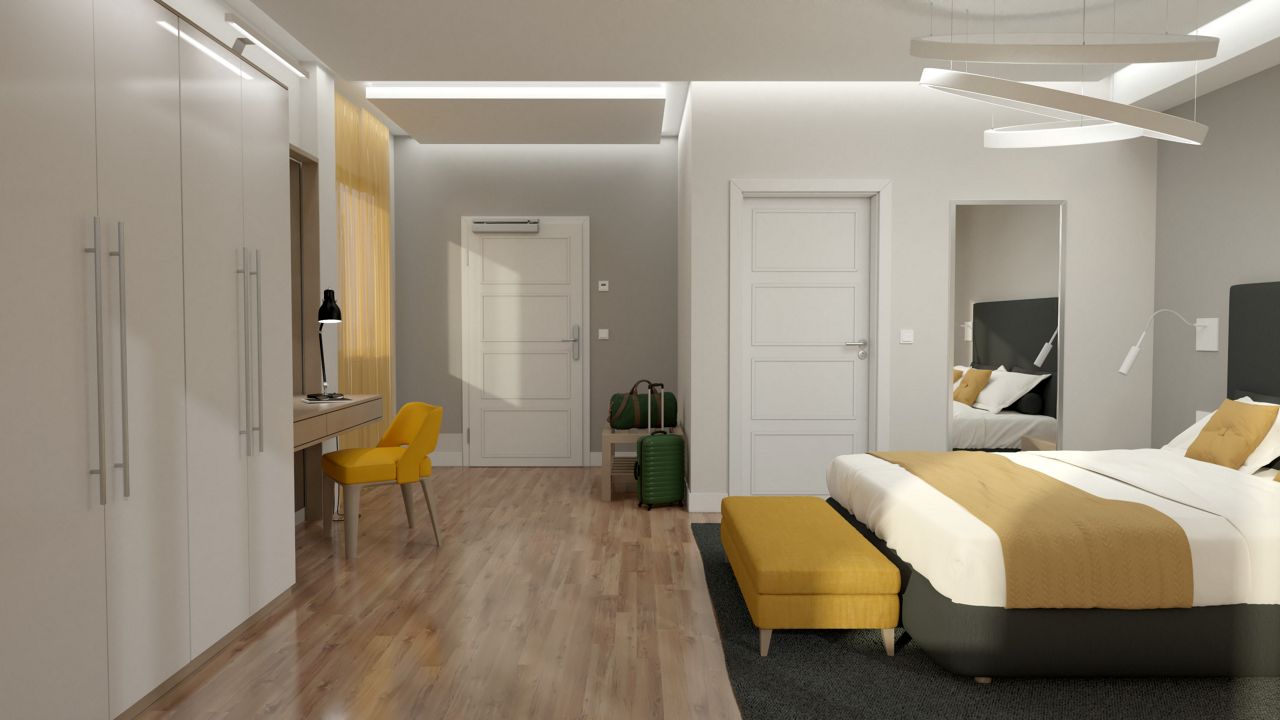
In the hospitality industry, every detail contributes to the overall guest experience.
Door hardware is no exception. From stylish handles and concealed hinges to secure locks and fire-rated closers, the choice of hardware directly influences a hotel’s design aesthetic, safety standards and guest comfort. High-quality systems enhance the visual appeal of lobbies and guest rooms, ensure compliance with fire and security regulations, protect property, and provide guests with the reassurance of privacy and ease of use. Conversely, poor-quality hardware can compromise safety, increase noise and erode trust, making it a critical investment for any hotel.
1. Design & Aesthetics: Design and aesthetics are chosen by designers very carefully in order to create a specific experience for the end user using
- Visual integration: Handles, locks and hinges contribute to the overall interior design theme (luxury, modern, minimalist). The Gestalt principle in design says that people tend to unify the visual elements into groups based on similarity usually defined with shape, color, size, texture or value; continuation, closure, proximity, figure/ground etc.
- Material & finish choices: Brass, stainless steel or matt black hardware can create the kind of feel that you want your room to have. The brown brings the feeling of warmth and comfort to the designs and also to show experience and reassurance. Black shows mystery. It can be traditional, modern and even serious. Black matches well with any other color, so it’s ideal for the background. Designers often use it to set contrasts. Stainless Steel has a metallic glow and smooth finish that make it stand out, symbolizing sophistication, style, adding a touch of class and versatility often linked to wealth, clarity, and innovation, making it a popular choice for luxury brands and modern designs.
- Consistency across spaces: Coordinated hardware in guest rooms, corridors and service areas creates a seamless and coherent feel. This consistency makes people feel calm and in control which gives people safety, comfort, predictability and ease of use since they are already familiar with how everything works.
2. Safety & Security: Having poor quality door hardware is incredibly risky. Door locks and security hardware are main protection for each room from intruders. This creates vulnerabilities for unauthorized access, theft, injury/assault, vandalism and potentially more. For hotels, safety and security of the guests, staff and minimizing damage to life and property is an utmost priority. In order to achieve this certain standards for health, safety and security, internally set by the organization and externally set by the governing bodies, are maintained.
- Fire safety compliance: Hotels must use fire-rated doors with certified hardware (closers, panic bars, exit devices).
- Access control: Electronic locks, RFID keycards, and smart systems prevent unauthorized entry.
- Emergency egress: Hotels must have hardware which allows quick evacuation in only 1 intuitive motion to meet building codes.
- Durability under heavy use: With thousands of daily openings, hardware must withstand wear without compromising safety.
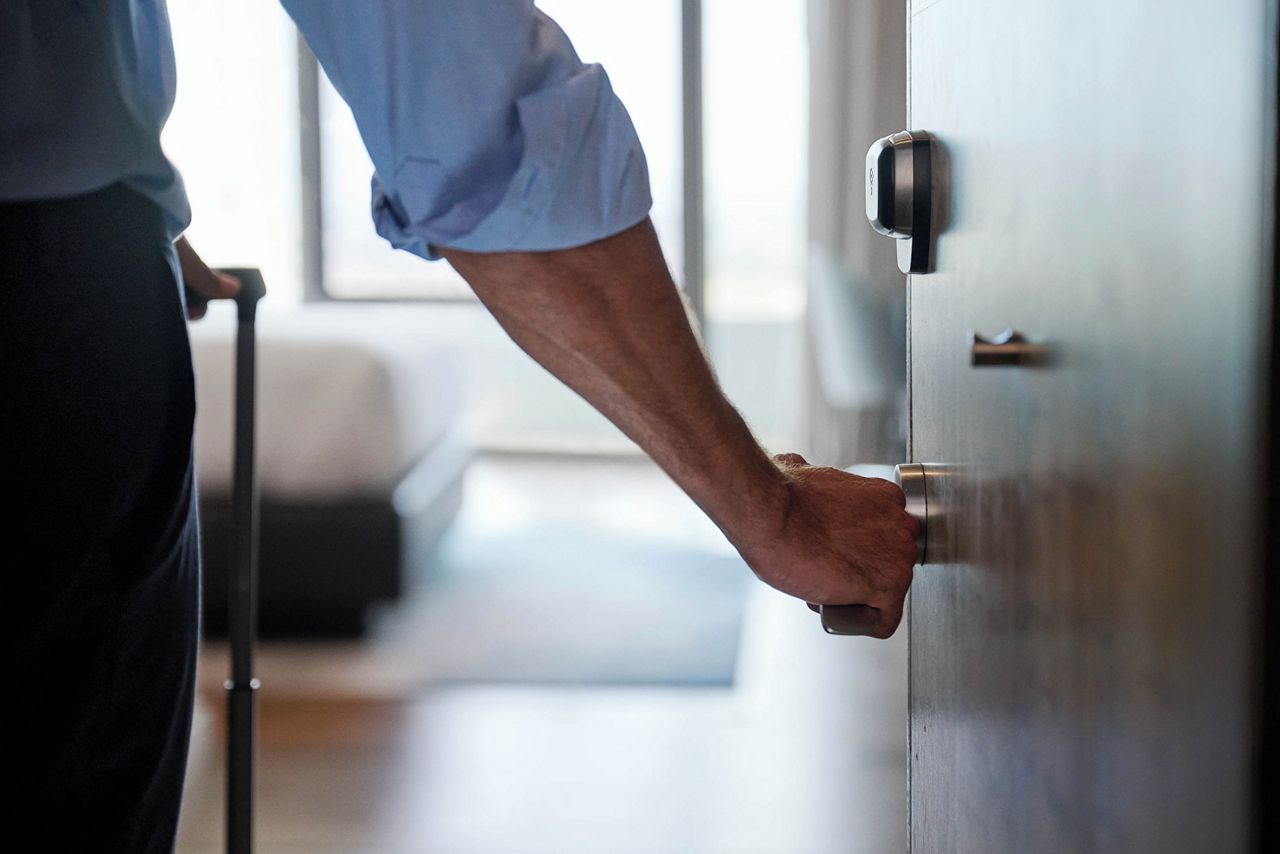
3. Guest Comfort: Hotels are a facility for guests to come in relax and enjoy their time away from the everyday grind. Doors need to be in the background functioning quietly and effortlessly. In order to be comfortable, the doors need to be intuitive to operate for the guests to get in, easy enough for housekeeping staff to get in but secure enough that any unauthorized people can’t break in.
- Noise reduction: Quiet latches and closers prevent disturbances in hallways.
- Ease of use: Ergonomic handles and smooth locking mechanisms improve accessibility for all guests.
- Privacy assurance: Reliable locks and security chains enhance guest confidence.
- Smooth operation: Hardware that doesn’t jam or stick contributes to a stress-free stay.
4. Risks & Trade-offs: Hotels that cut corners on locks compromise safety, comfort and brand image. Investing in high-quality door hardware whether that be electronic locks, secure mechanical systems or reliable emergency egress hardware with alarm systems, is not just a design choice, but a necessity.
- Guest Safety Risks → Weak locks make rooms vulnerable to unauthorized entry and theft.
- Poor-quality hardware → frequent breakdowns lead to higher maintenance costs leaving guest frustrated and less likely to return.
- Overly complex systems → guests may struggle with unfamiliar tech which is why it is easier to go with something familiar like RFID locks
- Neglecting compliance → legal liabilities and safety hazards in emergencies
Bottom line: In hotels, every piece of door hardware, from electronic locks for safety to door closers for privacy, directly impacts guest safety, property protection and brand reputation. Cutting corners here isn’t just a maintenance issue; it’s a life-and-death risk.
Found this insightful? Read another one of our blogs. Have a query? Reach out to us at 022-61805555 or email us at info.saarc@assaabloy.com we’d love to hear from you!