Indoor-out: Why are hotel guests craving outdoor spaces and rooftop experiences?

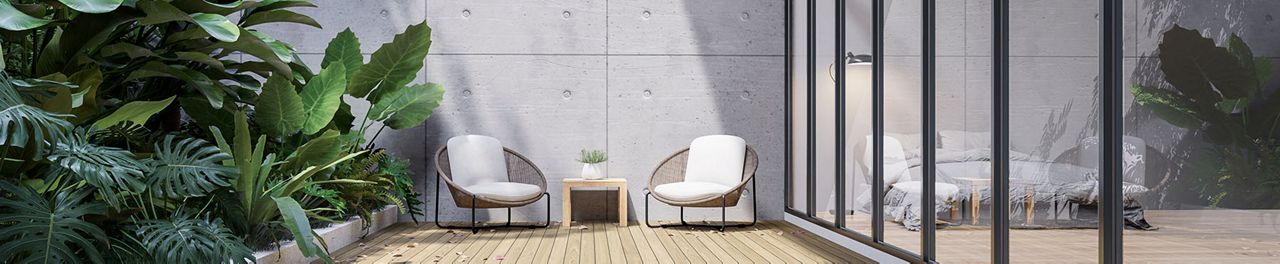
In the post-Covid era, the pandemic grief and subsequent stay-at-home orders have cultivated a new form of traveling preference – a thirst for outdoor experiences and escapes from the feeling of burnout.
Indoor-out: Why are Hotel Guests Craving Outdoor Spaces and Rooftop Experiences?
In the post-Covid era, the pandemic grief and subsequent stay-at-home orders have cultivated a new form of traveling preference – a thirst for outdoor experiences and escapes from the feeling of burnout. Hence, travelers predominantly prioritize seeking a sense of escapism and connection to nature while staying in hotels. In the light of the emerging trends that usher in new styles in hospitality design, hotels offering indoor-out benefits are in high demand, as are those with outdoor spaces, rooftop ex In the post-Covid era, the pandemic grief and subsequent stay-at-home orders have cultivated a new form of traveling preference – a thirst for outdoor experiences and escapes from the feeling of burnout. periences, and sky garden views.
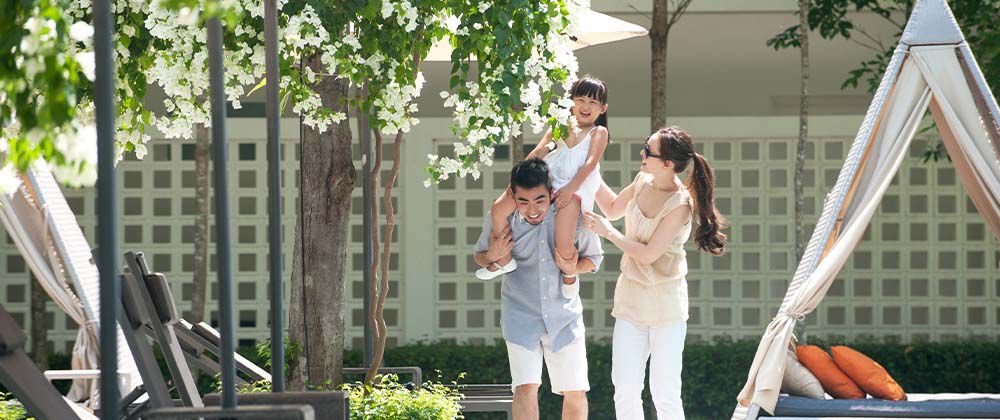
Outdoor Spaces: The Great Escape Trend in Post-Covid Era
Since the last decade, travelers have been casting about social distance and access to fresh air and open space in hotel design. Such unconventional hotel room design elements are vital to eradicating travelers’ pandemic-era concerns about indoor air quality and social distance, enhancing their emotional and physical wellness in uncertainty and distress. Hence, the surge of people yearning for outdoor spaces and immersive experience motivates hoteliers to refine hospitality design by integrating indoor and outdoor spaces in hotels.
From indoor to nature
Promoting the concept of “no walls, no doors” and connecting with the outdoors and nature, Buahan, A Banyan Tree Escape, is devoted to offering an immersive traveling experience to its guests[1]. The entire resort was built from bamboo and recycled ironwood with a complete absence of bricks and glass. In this regard, travelers can fully indulge themselves in the world of nature without being interrupted by digital devices.
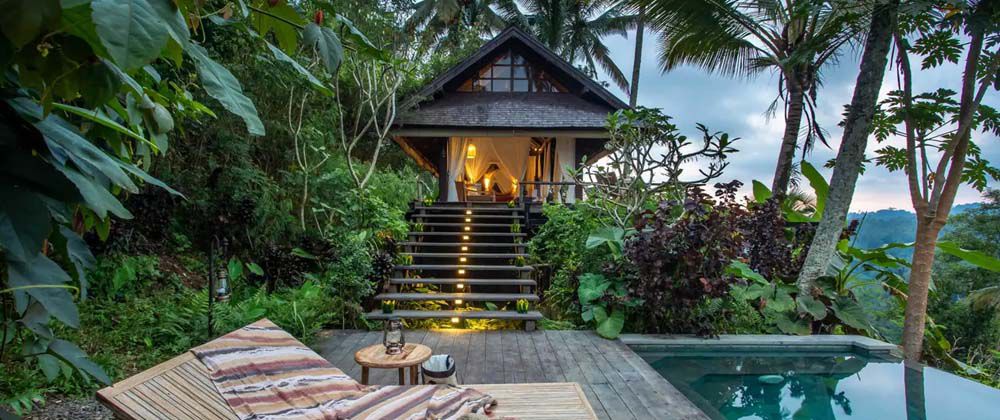
Image of Buahan, A Banyan Tree Escape via escape.banyantree.com
Regent Phu Quoc seamlessly connects guests and nature with a thoughtful hospitality design in close proximity to a natural reserve in Vietnam[2]. The connection of floor-to-ceiling glass windows with the sand and sea provides a carefree ambiance in villas and suites, enabling guests to find sanctuary in the resort. In addition to the breath-taking hotel design, Regent Phu Quoc elevates travelers’ experiences by providing various services, including gastronomic experiences, state-of-the-art fitness facilities, and meditation retreats.
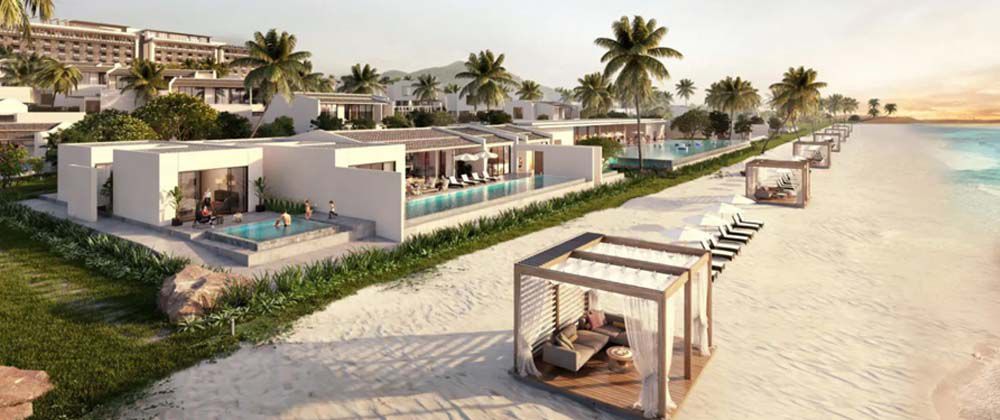
Image of Regent Phu Quoc via lifestyleasia.com
Restaurant and Rooftop experiences in Urban Settings
With the highest rooftop bar in Chiang Mai, Meliá Chiang Mai offers some of the city’s most spectacular views to its guests. Comprising two bars connected by a glass bridge, Mai The Sky Bar directs visitors to a 360-degree view while delving into a wide selection of savory cuisines and drinks[3]. Apart from the rooftop bar, guests are welcome to enjoy authentic meals in the Mediterranean Mai Restaurant & Bar and the Northern Thai Laan Na Kitchen.
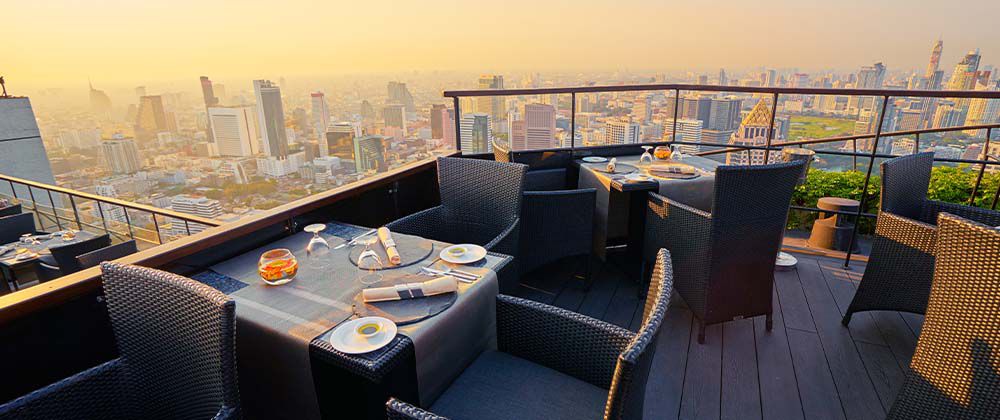
Image of Mai The Sky Bar via lifestyleasia.com
Bringing the outdoor inside: Fit natural elements inside
Even without outdoor spaces, hoteliers can bring the outdoors inside with nature-related installations, such as indoor waterfalls, all-season terraces, and outdoor-style patio furniture. The combination of outdoor and indoor elements is believed to enrich the hotel design, allowing guests to feel comfortable and relieved in hotel spaces without compromising the social distance between individuals.
Q1: Why is outdoor design critical in the hospitality industry in the post-Covid era?
A1: Upon lockdowns and restrictions of Covid-19, travelers crave a sense of escapism and connection to nature while staying in hotels, which outdoor design can achieve.
Q2: What are hotel outdoor space design examples?
A2: The examples are connections between hotels and nature, providing restaurant and rooftop experiences, and bringing natural elements into hotel spaces.
References:
[1] https://escape.banyantree.com/
[2] https://phuquoc.regenthotels.com/
[3] https://www.melia.com/en/hotels/thailand/chiang-mai/melia-chiang-mai/index.htm